What makes Corona del Mar homes so memorable from the street? It is not just the ocean light or the village charm. It is the way architecture tells the story of the community, from early cottages on compact lots to polished custom homes that still reflect the area’s coastal identity. If you are buying, selling, or simply trying to understand what gives CdM its visual character, this guide will walk you through the styles that shape the neighborhood and why they matter. Let’s dive in.
Why architecture matters in Corona del Mar
Corona del Mar is best understood as a layered coastal village, not a one-style neighborhood. It began as a 1904 subdivision, with many original lots measuring about 30 by 120 feet, and the first homes arrived in 1910 before the area was annexed by Newport Beach in 1924. That early pattern still helps explain why so many streets feel human-scaled, porch-forward, and visually varied.
The original village structure continues to shape how homes are experienced today. Historic records note that numbered streets were later renamed with flower names, adding to the area’s distinct, walkable identity. Newport Beach’s General Plan also treats Corona del Mar as one of the city’s older coastal villages, with development expected to reflect architectural diversity, coastal orientation, and public views.
For buyers and sellers, that context matters. In Corona del Mar, architecture is part of the value story because style, scale, and street presence often carry as much weight as square footage. The city’s cottage-preservation program shows just how important the traditional built form remains to the area’s identity.
Beach cottages define old CdM
If one housing type best captures old Corona del Mar, it is the cottage. Newport Beach uses the term for smaller residential dwellings that represent traditional development patterns in old Corona del Mar, typically one-story homes, sometimes with a small second story above rear parking. That modest scale is central enough to the neighborhood that the city created a voluntary preservation program to help maintain the traditional cottage envelope.
These homes tend to feel approachable and deeply connected to the street. Instead of relying on size, they often stand out through front porches, compact footprints, and restrained massing. In practical terms, they support the relaxed, walkable village feel many buyers are drawn to in Corona del Mar.
For sellers, cottages often have appeal because they feel authentic to place. Their charm is tied to proportion and presence, not excess. That can make them especially memorable in a market where buyers often value character as much as finish level.
Cape Cod brings shingle charm
One of Corona del Mar’s earliest local style references is the Burton family’s “Happy House,” described by local historical sources as a Cape Cod-style grayish brown shingle house. That detail matters because it shows how early CdM architecture drew from classic coastal design rather than formal estate traditions. In this setting, Cape Cod reads as simple, textural, and nostalgic.
The visual cues are easy to recognize. Think shingle siding, straightforward rooflines, compact symmetry, and an entry or porch that connects directly to the street. These homes often feel warm and timeless without appearing ornate.
For buyers, Cape Cod and shingle-style homes can offer a coastal look that feels rooted and comfortable. For sellers, they often photograph beautifully because the materials and proportions read clearly at human scale. In a visually competitive market, that curb appeal can matter.
Bungalows add porch-forward character
Corona del Mar’s historic inventory identifies the Webster House as a bungalow with a simple design similar to Greene & Greene. That local reference helps explain why bungalow and Craftsman-adjacent homes feel so natural in the village. They match the early development pattern with low profiles, efficient footprints, and strong street presence.
These homes are usually associated with wide eaves, exposed rafters, open porches, and a horizontal feel. They tend to support casual living, easy indoor-outdoor movement, and a close relationship between the home and the front garden or sidewalk. In Corona del Mar, that makes them especially legible from the street.
If you are buying, this style may appeal to you if you want a home that feels relaxed and connected to the neighborhood fabric. If you are selling, highlighting original proportions, porch space, and architectural detail can help buyers understand why these homes remain so enduring.
Spanish and Mission Revival stand out
Corona del Mar’s historic inventory also includes revival-era homes such as the “Big Spanish House,” documented as Mission Revival, along with the Sherman Library Adobe, documented as Early California Adobe. These homes bring a different visual language to the neighborhood. Instead of cottage modesty, they often emphasize silhouette, texture, and sheltered outdoor space.
Common features include stucco walls, clay tile roofs, round arches, carved wood doors, decorative ironwork, balconies, and terraces. In street view, those details create bold forms and sharp light-and-shadow contrast. The result is a home that often feels warmer, more enclosed, and more courtyard-oriented.
For buyers, this style can offer a more romantic and architecturally expressive living experience. For sellers, these homes often benefit from strong visual storytelling because arches, tile, and stucco planes create standout listing imagery. When the architecture is clear, the home tends to leave a stronger impression.
Contemporary homes shape newer CdM
Later development expanded Corona del Mar beyond the original village core, which is why the area now includes both older cottages and newer infill or custom homes. Newport Beach’s General Plan allows re-use and infill that are complementary in type, form, scale, and character. That helps explain why many newer homes in Corona del Mar read as contemporary custom architecture rather than direct historic revival.
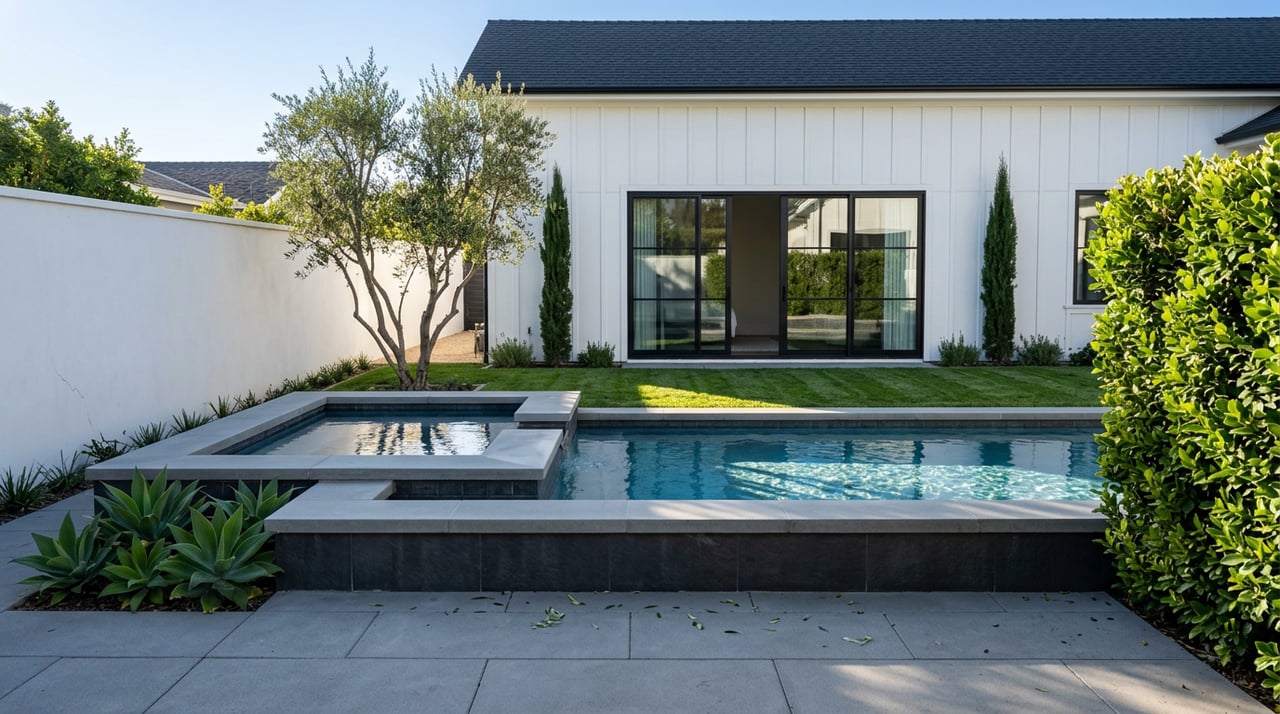
In this market, contemporary homes often mean open plans, larger expanses of glass, cleaner massing, and stronger indoor-outdoor flow. They are typically more understated in ornament and more focused on light, layout, and connection to the landscape. That approach fits a coastal setting where natural light does a lot of the work.
For buyers, contemporary homes can feel turnkey, airy, and highly functional for modern living. For sellers, they often perform well visually because large windows, simple rooflines, and crisp architectural composition translate well in marketing photography. In a luxury setting, that clarity can be powerful.
Coastal farmhouse feels current
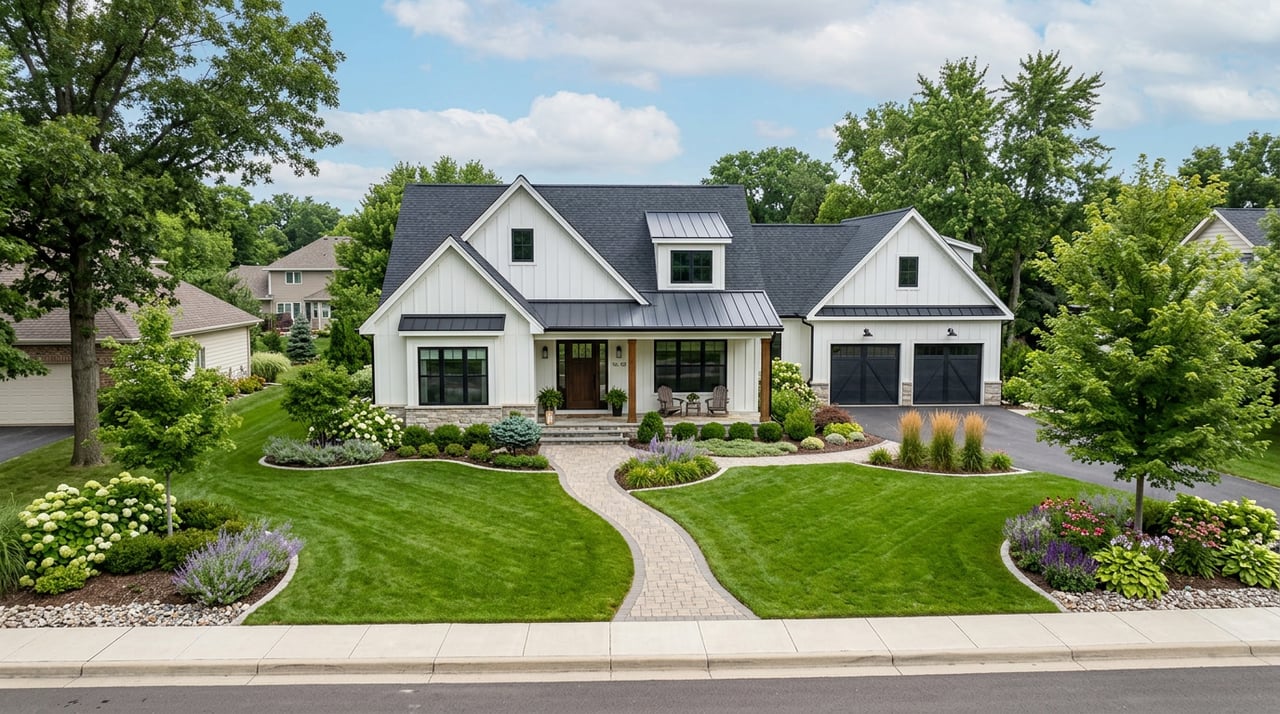
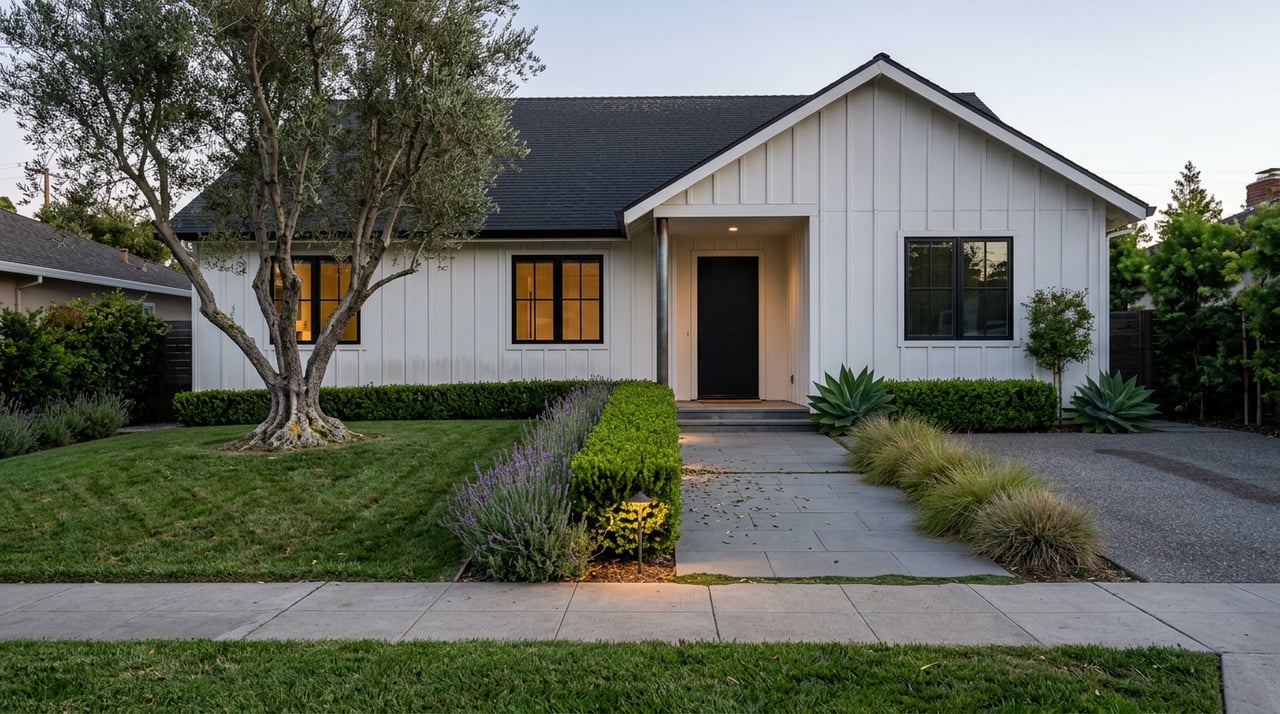
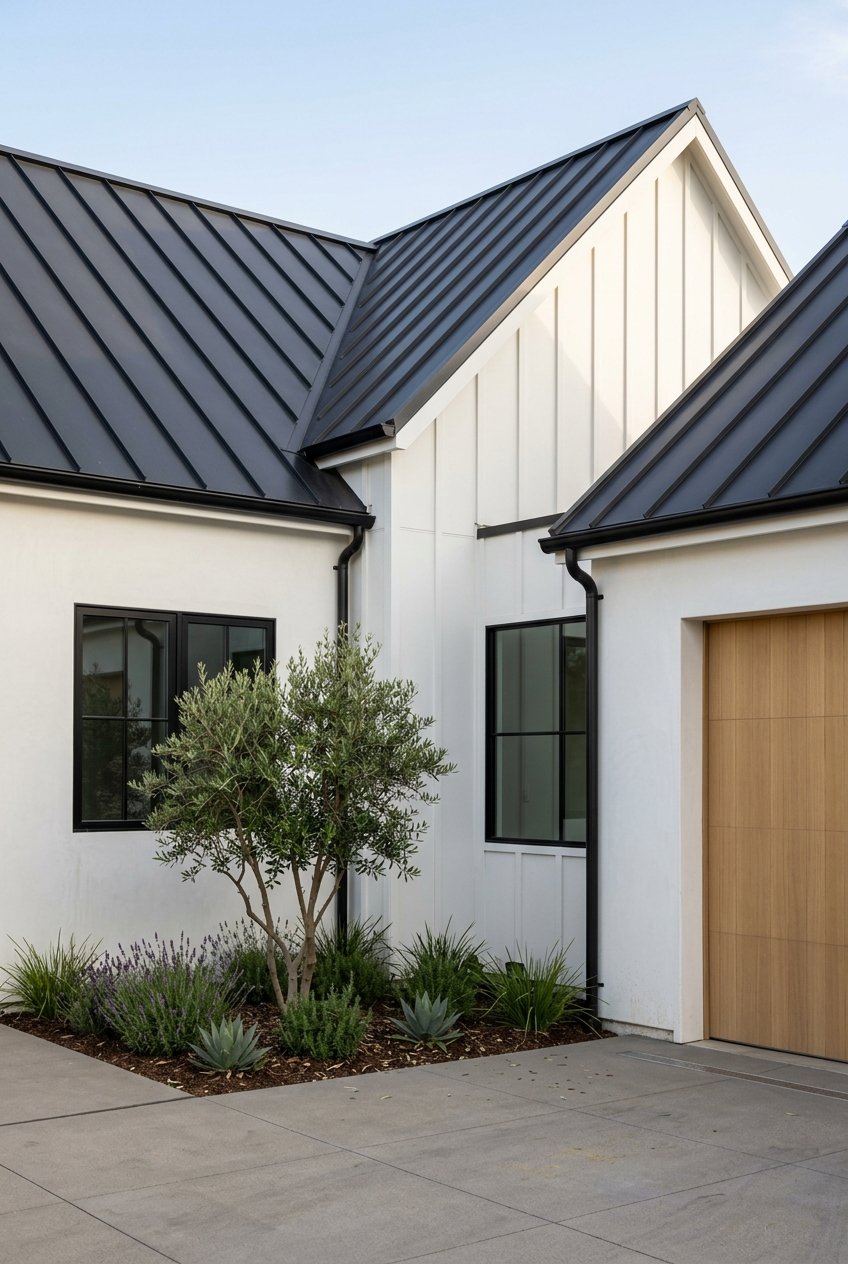
Coastal farmhouse is best understood as a contemporary hybrid rather than a historic period style. It blends the informality of farmhouse design with the lighter, breezier cues people associate with coastal living. In Corona del Mar, it often lands between a classic cottage and a fully modern box.
You will usually see a lighter palette, generous windows, weathered or whitewashed finishes, and natural textures. The look feels relaxed, current, and approachable while still polished enough for the upper end of the market. That balance helps explain why it appeals to buyers who want warmth without sacrificing freshness.
For sellers, this style often aligns well with today’s presentation standards. It can feel bright, architectural, and broadly appealing, especially when the home’s scale still respects the village rhythm around it.
Style shapes lifestyle and value
In Corona del Mar, architecture affects more than looks. The city’s cottage-preservation program exists in part because smaller cottages have faced pressure from remodel-and-rebuild economics, especially when projects cross building-code thresholds. That means form and massing are part of the long-term value conversation, not just decorative choices.
Different styles also support different ways of living. Cottages and bungalows tend to favor porch life, compact footprints, and walkable street relationships. Spanish and Mission Revival homes often focus on shade, texture, and sheltered outdoor rooms, while contemporary homes typically prioritize open plans, light, and indoor-outdoor circulation.
If you are buying, it helps to think beyond the label and ask how the architecture supports your daily routine. If you are selling, it is worth understanding which elements make your home legible and memorable from the street. In Corona del Mar, buyers often respond to homes that clearly express what they are.
What buyers and sellers should notice
When you evaluate a Corona del Mar home, start with scale and street presence. Does the home relate well to the lot, the sidewalk, and the homes around it? In a village setting shaped by smaller original parcels, proportion often matters as much as finish quality.
Next, look at the details that define the style. Porches, shingles, dormers, tile roofs, arches, and bands of glass all help tell the story of a home. These are the features that often shape both emotional response and marketing impact.
Finally, consider how the architecture fits your goals. A preserved or cottage-scaled home may offer charm and rarity. A contemporary custom property may offer more open flow and newer construction. The right fit often comes down to whether you value nostalgia, privacy, flexibility, or a more modern lifestyle.
Corona del Mar’s best homes are not memorable by accident. They succeed because their architecture feels clear, intentional, and connected to the place around them. If you want guidance on how style, presentation, and positioning affect a home’s opportunity in this market, Charlie Price Group offers tailored advice for buyers and sellers across Corona del Mar and Newport Beach.
FAQs
What is a cottage in Corona del Mar?
- In Newport Beach planning language, a cottage is a smaller residential dwelling that reflects traditional development in old Corona del Mar, typically one story and sometimes with a small second story above rear parking.
Is a beach cottage the same as a Cape Cod house in Corona del Mar?
- No. Beach cottage is a broader local label for a smaller coastal home, while Cape Cod refers to a more specific shingle-style form, though the two can overlap in Corona del Mar.
Which architectural styles are most tied to old Corona del Mar homes?
- The styles most closely associated with old Corona del Mar include cottages, Cape Cod or shingle cottages, bungalow or Craftsman-adjacent homes, and Spanish or Mission Revival homes.
Why do newer homes still fit Corona del Mar?
- Newport Beach policy allows re-use and infill that are complementary in type, form, scale, and character, so newer homes can feel current while still respecting the village setting.
Does architecture affect resale in Corona del Mar?
- Yes. In Corona del Mar, architecture can influence buyer perception, scarcity, remodeling flexibility, and how well a property fits the neighborhood over time.