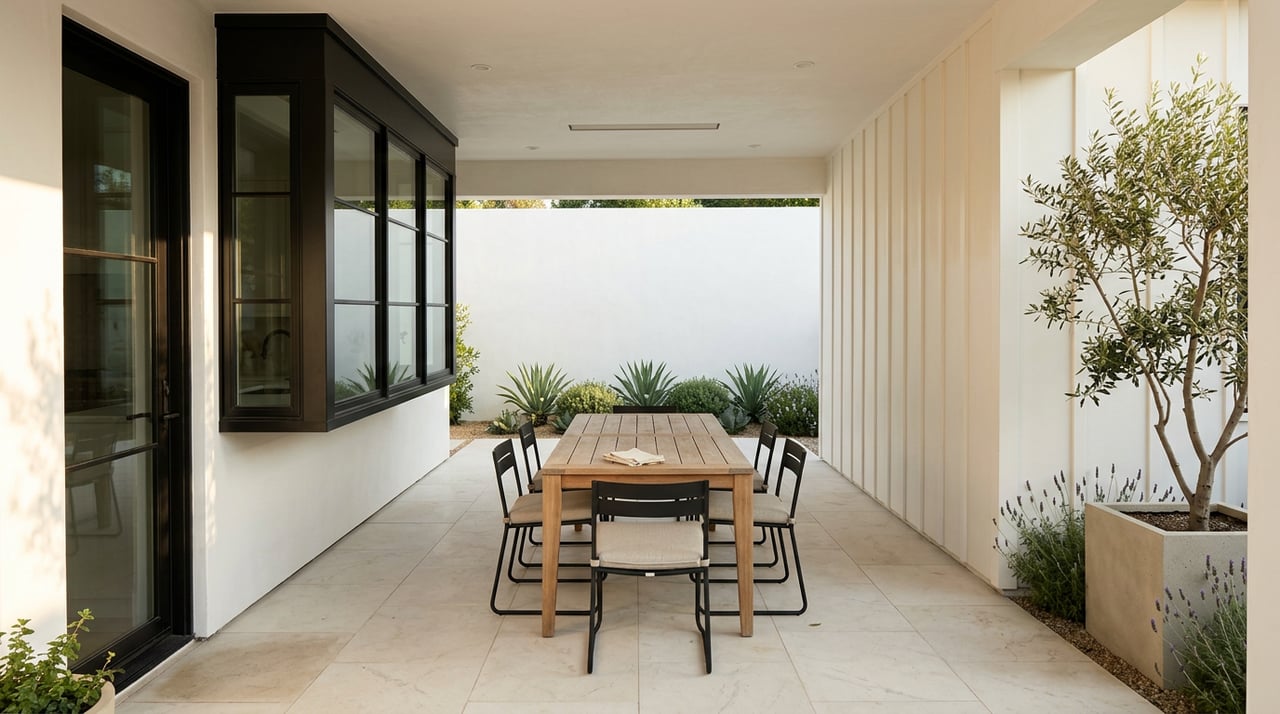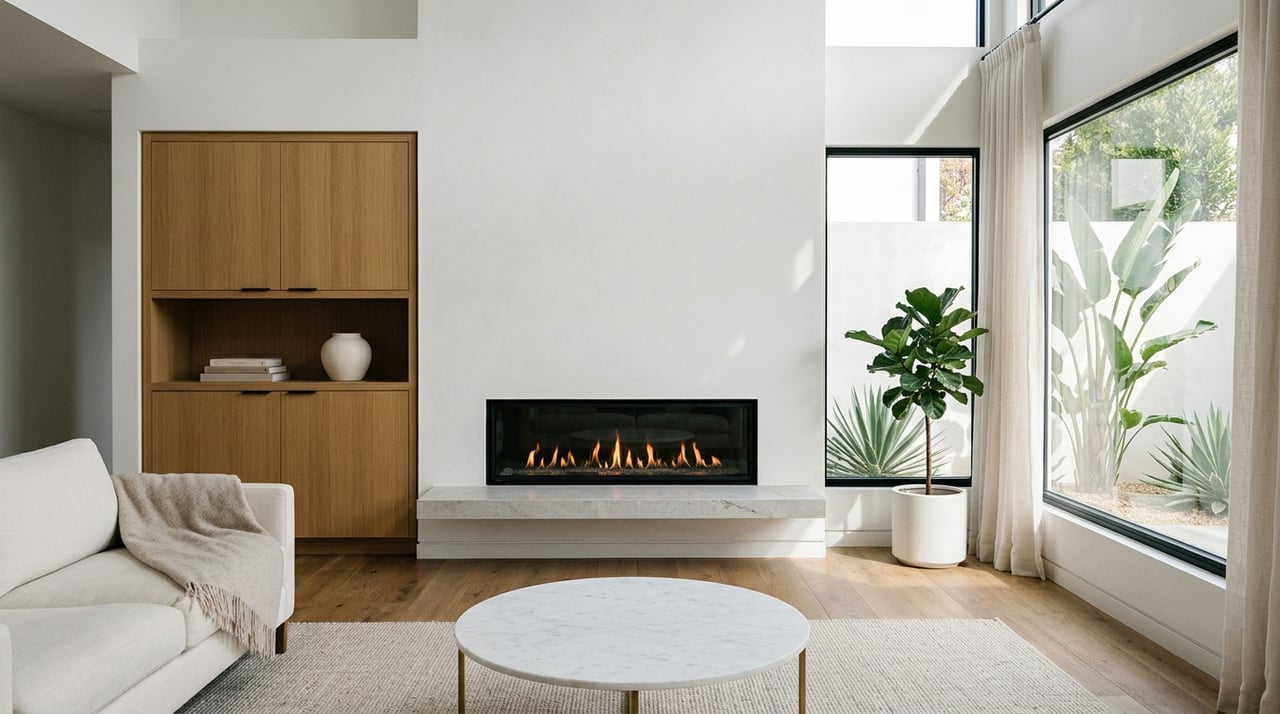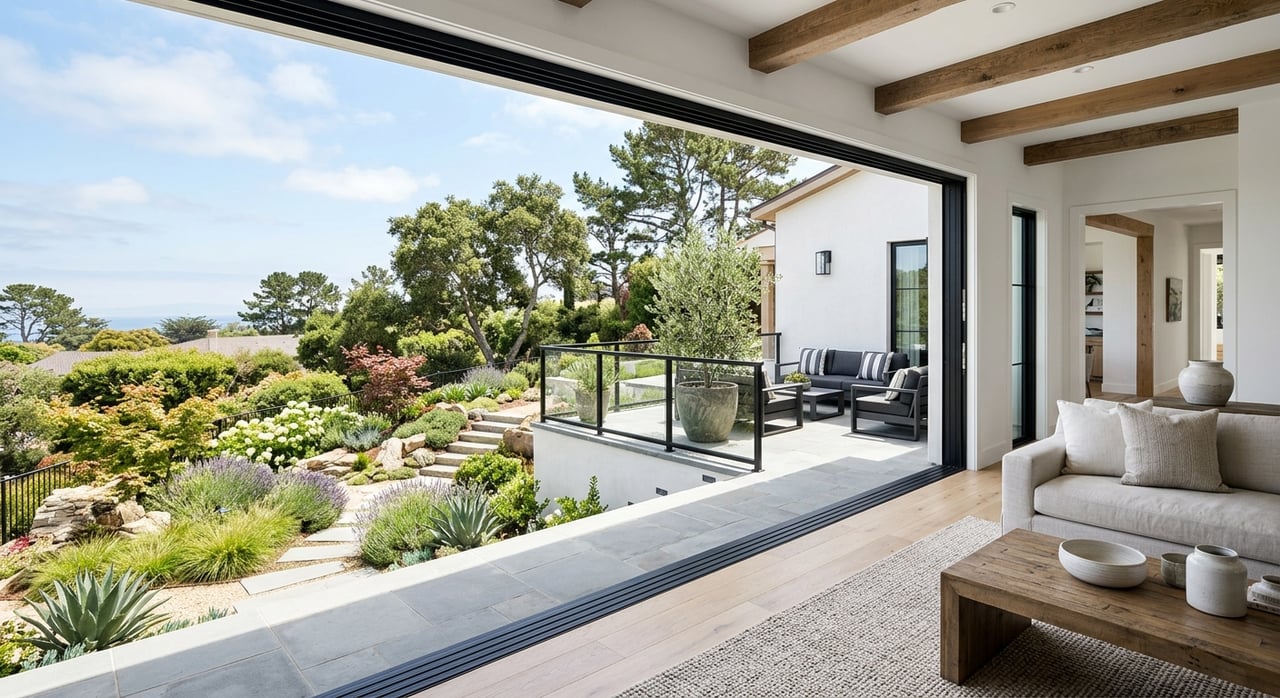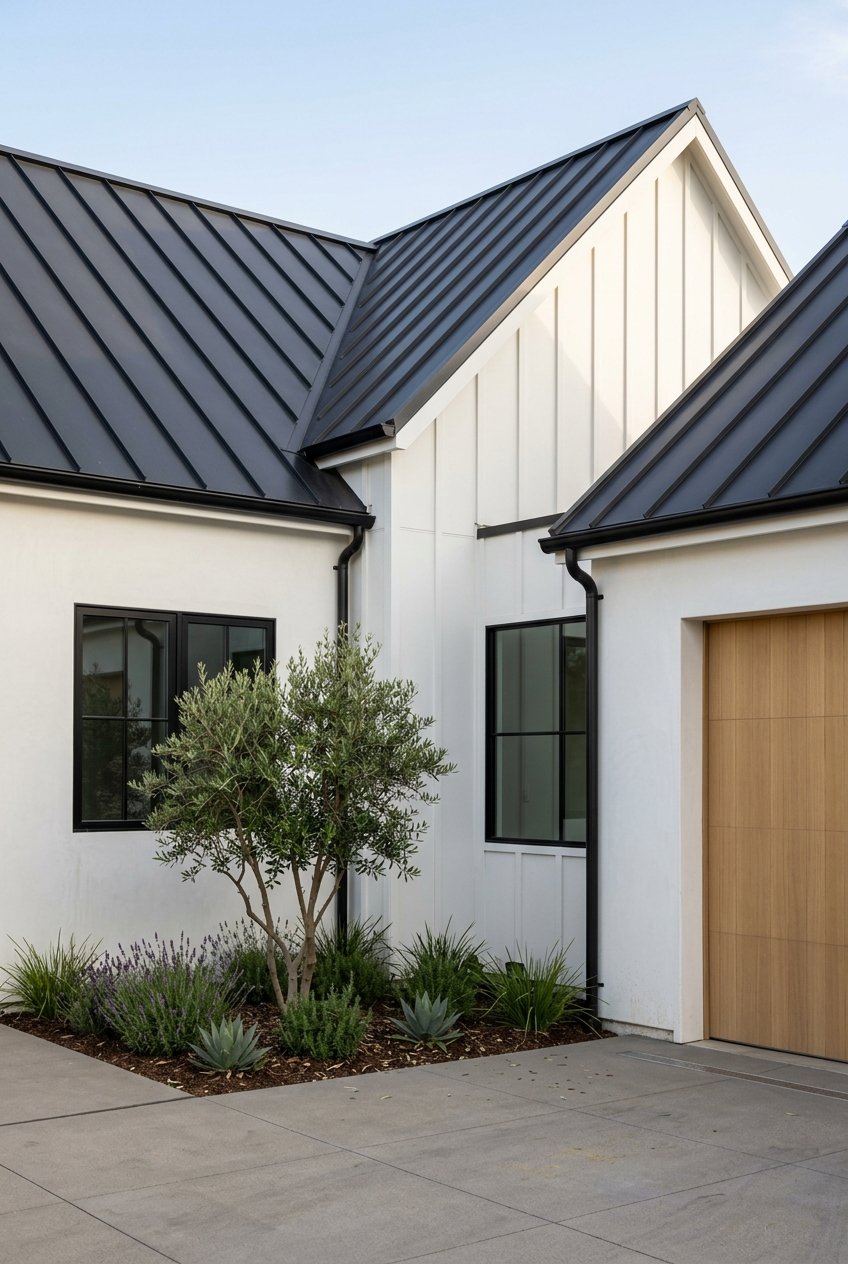
Salt air can age a beautiful exterior long before its time. If you live in Laguna Niguel, you know the marine layer, onshore winds, and UV all team up to test every finish and fastener. You want your home to look exceptional without constant touch-ups. This guide shows you which coastal-grade materials and specs stand up to salt exposure, protect value, and keep a luxury look with less maintenance.
Let’s dive in.
Why coastal conditions matter
Laguna Niguel’s Mediterranean climate brings cool, moist mornings and steady ocean influence. Chloride-laden salt aerosol rides onshore winds, settling on exterior surfaces. Combine that with moisture and sun and you get faster finish breakdown, corrosion at joints, and more frequent surface soiling compared with inland homes.
Design and detailing can extend life as much as material choice. You get more years from the same materials if you include features like generous overhangs, rainscreens, drip edges, sloped surfaces, and good drainage. Plan for access to rinse salt off and include separation between dissimilar metals to avoid galvanic reactions.
Specs worth knowing
A few industry standards help you compare options intelligently:
- ASTM B117 salt spray testing is useful for product comparisons, but it is not a direct predictor of real-world lifespan. Field performance and warranties matter more near the coast.
- AAMA 2604 and AAMA 2605 define performance for aluminum coatings. AAMA 2605 is the premium level and preferred for coastal exposure where UV and salt are high.
- Stainless steel grade 316 or 316L is the marine-grade choice for exposed fasteners and hardware. Basic 304 tends to corrode faster near salt air.
- Hot-dip galvanizing (ASTM A123 for steel structures, ASTM A153 for fasteners) provides sacrificial protection. It is useful for concealed or less exposed parts but is not as durable as 316 stainless in direct salt exposure.
Windows and doors that hold up
Best frame materials
Choose pultruded fiberglass, high-quality aluminum with a thermal break and an AAMA 2605 finish, or aluminum-clad wood with a premium exterior coating. Fiberglass offers excellent stability and low expansion. Aluminum-clad frames deliver a sleek, modern look with lower maintenance when finished to the right spec.
Hardware and glass
Specify marine-grade hardware and hinges with 316 stainless fasteners. Where proprietary corrosion-resistant finishes are offered, confirm they meet coastal use requirements. For glass, use insulated glazing with low-E coatings and argon or krypton fill. Tempered or laminated glass may be required for safety by code.
Smart installation details
Use frames with thermal breaks to reduce condensation. Make sure sills and drip edges are sloped and drain freely to prevent salt buildup. Use replaceable weather seals and keep sealant joints accessible for periodic renewal.
Maintenance expectations
Fiberglass frames are low-maintenance and can last for decades with minimal warping. Aluminum with a premium AAMA 2605 finish requires periodic inspection of coatings and caulking. Plan for fresh-water rinsing to remove salt deposits.
Metals that resist corrosion
Railings, trim, and fasteners
For exposed railing systems and trim, specify architectural aluminum with AAMA 2605 powder coat or high-grade anodizing. For cables, balusters, connectors, and fasteners, use 316 or 316L stainless. Use hot-dip galvanized components only where they are concealed or less exposed and still verify suitability for your site conditions.
Flashings and isolation
Use corrosion-resistant alloys for flashing, such as aluminum or 316 stainless. Always isolate dissimilar metals with non-conductive grommets, EPDM or neoprene washers, and compatible coatings to prevent galvanic reactions. Avoid weathering steel in salt air since it corrodes faster and loses its intended patina.
Cladding that keeps its finish
Fiber cement and composites
Fiber cement siding is dimensionally stable and resists rot and insects. It needs a high-quality exterior coating and periodic repainting. High-end composite or engineered siding offers a wood-like look with lower maintenance. Choose brands with warranties that address coastal exposure.
Stucco done right
Stucco can be durable when detailed for drainage. Pair it with a ventilated rainscreen or at least a robust drainage plane. Use stainless lath and accessories, with 316 grade where parts are exposed. Select acrylic finish coats rated for UV and exterior soiling, and use a vapor-permeable water-resistive barrier under the cladding.
When to use wood
If you want the warmth of real wood, consider acetylated or thermally modified options. These species handle moisture better, but they still need regular upkeep. Untreated cedar weathers fast in salt air and will need frequent refinishing to stay crisp.
Decking and railings built for the coast
Decking options
- Tropical hardwoods like Ipe or Cumaru deliver a luxurious look and exceptional durability. Use 316 stainless fasteners and hidden clips. Oil the surface if you want to maintain its color.
- Cap-stock composite decking provides low maintenance and solid color stability. Choose lines with UV fade warranties and coastal-use guidance.
- PVC decking is very low maintenance and resists salt. It can deliver a clean, high-end finish with minimal upkeep.
- Aluminum decking is strong and nearly maintenance-free when finished and fastened correctly. It offers excellent performance in coastal conditions.
Railing systems
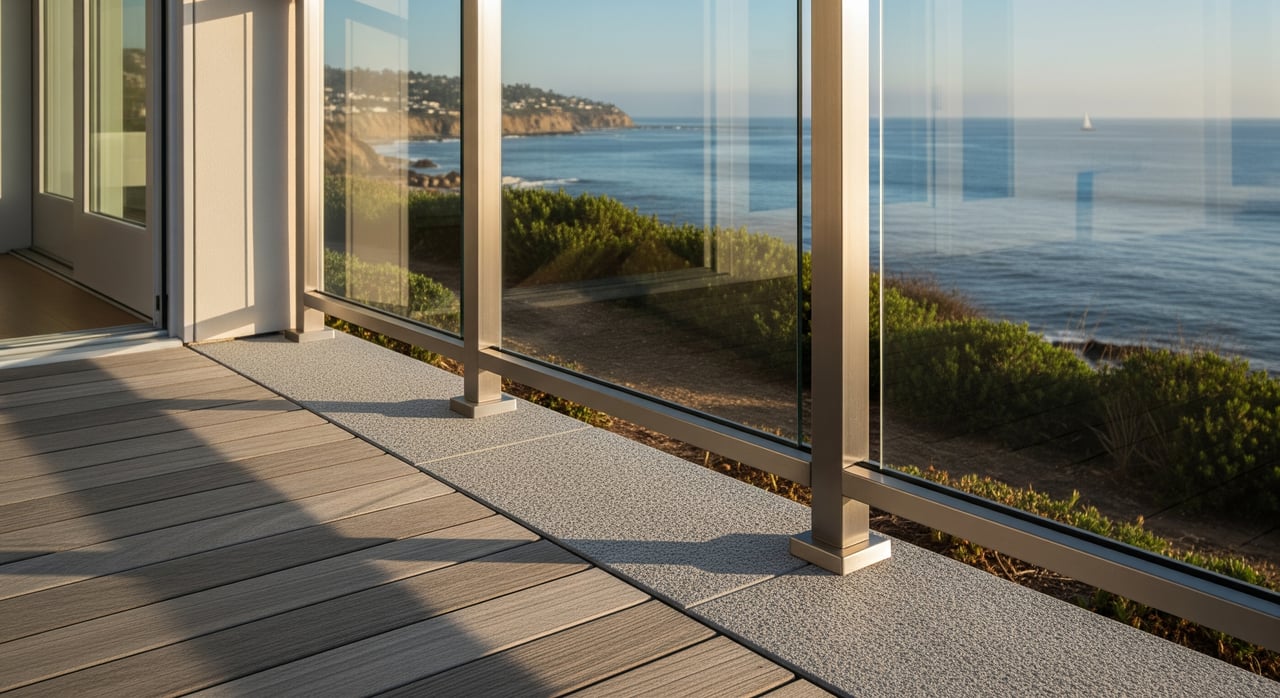
Glass railings pair well with views and modern architecture. Use 316 stainless clamps and anchors, or powder-coated aluminum systems that meet AAMA 2605. Cable railings should use 316 cable and terminals throughout for consistent corrosion resistance.
Substructure and connections
Use pressure-treated joists rated for the appropriate exposure or consider engineered aluminum or composite ledger systems. Protect ledger connections with correct flashing and specify 316 stainless fasteners in exposed areas. Hidden-fastener systems reduce visible corrosion but still require marine-grade materials.
Hardscape and roofing that last
Stone, concrete, and pavers
Choose dense natural stones such as granite or basalt for better salt tolerance. Softer stones like limestone and marble can stain or spall. For concrete, specify mixes designed for chloride resistance, with a low water-to-cement ratio and corrosion control for reinforcement. Permeable paver systems improve drainage and can reduce salt accumulation on the surface.
Use breathable silane or siloxane penetrating sealers to limit chloride ingress while allowing vapor to escape. Avoid thick surface films unless the manufacturer approves them for coastal use. Polymeric sand can work in joints but may hold salts, so consider drainage-friendly joint materials and plan for periodic maintenance.
Roofing materials
Tile roofs, either clay or concrete, perform well in coastal climates. For metal roofs, choose aluminum or coated Galvalume with high-performance finishes similar to AAMA 2605 for strong UV and salt resistance. Use stainless connectors where exposed and isolate metal-to-metal contact to prevent galvanic issues.
Detailing that adds years
Corrosion control
Use compatible metals wherever possible. When you must mix metals, isolate them with non-conductive washers, gaskets, or coatings. In most Laguna Niguel homes, smart material selection and isolation do more than specialty sacrificial anodes.
Drainage and ventilation
Design for drainage from the start. Include sloped sills, clear drip edges, and accessible surfaces you can rinse with a hose. Rainscreen assemblies behind cladding reduce trapped moisture and prevent salt from accumulating on the backside of materials.
A simple maintenance plan
- Rinse exterior metal and painted surfaces with fresh water every 3 to 6 months. Rinse more often in the first year after installation and after wind events.
- Inspect exposed metal hardware, rails, and fasteners quarterly if you are within about a mile of the shoreline. Inspect semiannually if you are farther inland.
- Repaint or recoat exterior finishes per manufacturer intervals, often 5 to 10 years for premium coatings. Watch for chalking or gloss loss.
- Replace exterior caulking every 3 to 7 years based on exposure and condition. Check window and door seals annually.
- For Ipe, oil annually if color retention matters to you. For composites and PVC, inspect fasteners and expansion joints annually.
Cost, lifespan, and look
Spend the most where corrosion failure is critical and costly. That includes railings, structural connections, flashings, window frames, and fasteners. Upgrading to 316 stainless and AAMA 2605 aluminum finishes costs more up front but lowers long-term maintenance and preserves a luxury appearance.
If you want a premium look with reasonable upkeep, consider powder-coated aluminum railings with glass infill, fiberglass or aluminum-clad windows with premium coatings, dense stone or high-grade porcelain pavers, and either Ipe or aluminum decking. Each offers a high-end aesthetic aligned with the coastal lifestyle while limiting frequent refinishing.
Pre-listing and ownership strategy
If you plan to sell in the next few years, targeted exterior updates can protect value and reduce buyer objections. Focus on visible corrosion points, window and door finishes, deck railings, and roof flashings. A clean inspection on these items helps your home present as well cared for.
Use a simple walk-around checklist twice a year:
- Look for rust or pitting on railings, flashings, and fasteners.
- Check window and door finishes for chalking, blistering, or seal failure.
- Confirm that siding terminations and flashings are intact with no rust stains.
- Scan for signs of trapped moisture behind cladding, such as staining or delamination.
- Inspect deck ledgers, joist hangers, and visible connectors for material type and condition.
- Review roof flashings, ridge caps, and exposed fasteners for coating loss.
- Note efflorescence or staining on hardscape that suggests chloride movement.
These small checks, paired with timely maintenance, keep your home looking fresh and reduce surprises during a sale.
Work with a local advisor
Every property sits in its own microclimate, and coastal exposure can vary by street and elevation in Laguna Niguel. When you balance finish specs, warranties, and installation details with your design vision, you avoid costly do-overs. A trusted local advisor can help you prioritize the updates that defend long-term value and align with your goals.
If you want a private conversation about which exterior investments matter most before you sell or buy, reach out. You will get guidance that is both design-forward and grounded in coastal building science.
Ready to protect value and maintain a luxury look year-round? Start a confidential conversation with [Unknown Company] to Receive Exclusive Listings and informed guidance tailored to Laguna Niguel.
FAQs
What are the best window materials for Laguna Niguel’s salt air?
- Pultruded fiberglass or aluminum with an AAMA 2605 finish, paired with 316 stainless hardware and fasteners, provide strong, low-maintenance performance.
Are AAMA 2605 aluminum coatings worth it near the coast?
- Yes. AAMA 2605 is the premium standard for exterior aluminum finishes and is preferred in coastal, high-exposure locations for better UV and salt resistance.
Which stainless steel grade should I use for exterior fasteners?
- Specify 316 or 316L stainless for exposed fasteners, cables, and hardware in marine environments. Avoid 304 for exterior coastal exposure.
How often should I rinse my exterior in Laguna Niguel?
- Rinse painted and metal surfaces every 3 to 6 months, more often after wind events and during the first year after installation to reduce salt buildup.
Does fiber cement siding need repainting at the coast?
- Yes. Expect repainting roughly every 10 to 15 years depending on the coating quality and exposure. Choose high-performance paints for longer life.
Are Ipe decks a good choice for coastal homes?
- Ipe offers long service life and a luxury look when fastened with 316 stainless hardware. Oil annually if you want to maintain its rich color.
Will warranties cover coastal corrosion on finishes and hardware?
- Many warranties have coastal exclusions or require specific finishes and maintenance routines. Confirm coastal requirements before you buy or install.