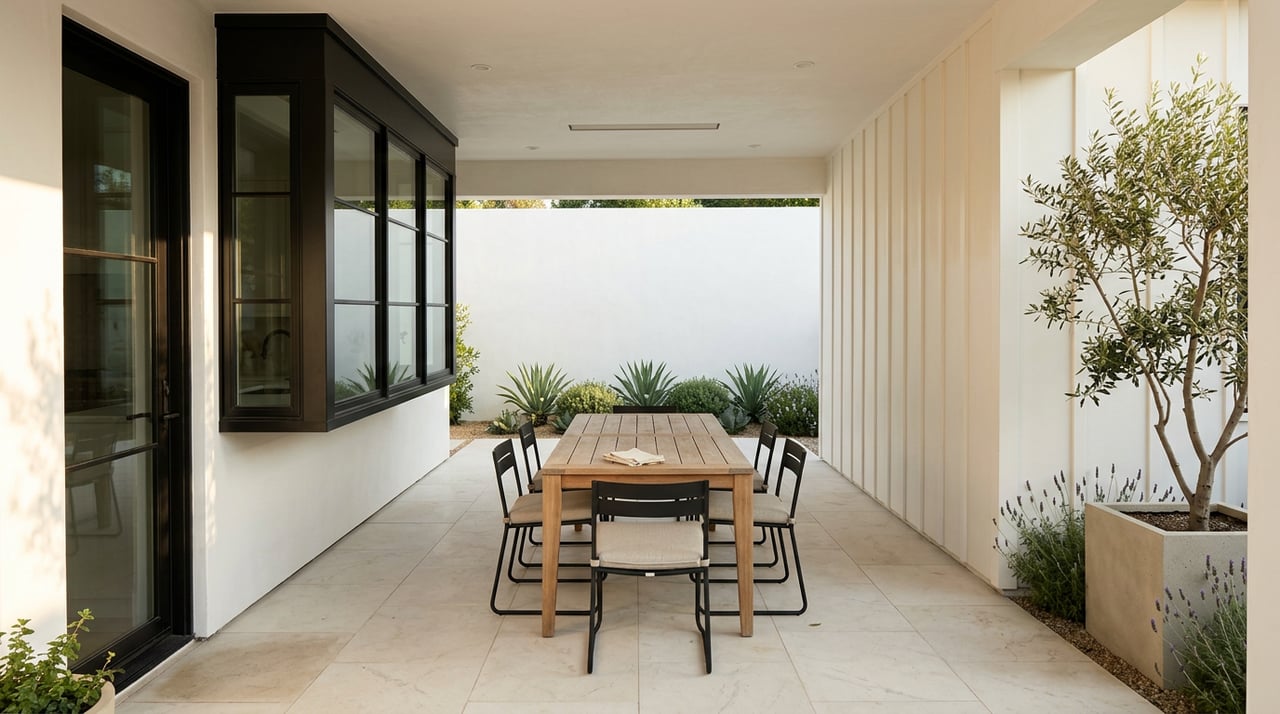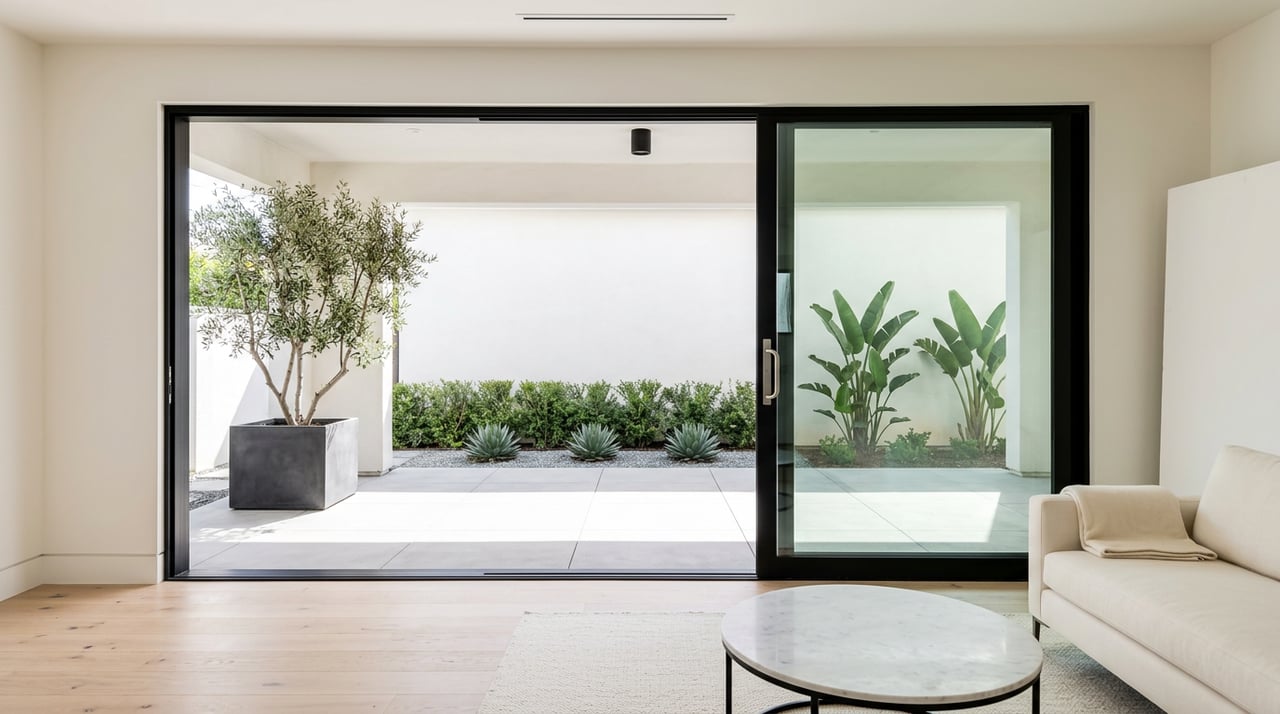
Choosing between Costa Mesa and Newport Beach for a luxury home often comes down to how you live day to day. Do you want true oceanfront and harbor access, or an urban-coastal base near world-class shopping and the arts with quick beach access by car? You deserve clarity before you invest. This guide compares prices, neighborhoods, lifestyle amenities, and practical ownership rules so you can decide with confidence. Let’s dive in.
Quick side-by-side
| Factor | Costa Mesa | Newport Beach |
|---|---|---|
| Median sale price (Jan 2026) | About $1.46M citywide Redfin | About $4.8M citywide Redfin |
| Coastal access | Inland, short drive to multiple beaches | Direct ocean and harbor frontage |
| STR policy | Short-term rentals prohibited citywide (Costa Mesa ordinance) | Permit-based STR program with rules and caps (Newport Beach STR rules) |
| Typical luxury product | Remodeled single-family homes and newer infill builds | Waterfront estates, bayfront cottages, Newport Coast gated enclaves |
| Signature amenity | South Coast Plaza luxury shopping | Fashion Island, harbor-front dining |
| Nearest airport | John Wayne Airport (SNA), short drive | John Wayne Airport (SNA), short drive |
Market snapshot and pricing
If price is a primary filter, the two markets diverge. As of Redfin’s January 2026 snapshots, Newport Beach’s median sale price sits around $4.8 million and the city reports a median price per square foot in the mid four figures, reflecting premium waterfront and view inventory (Redfin Newport Beach). Costa Mesa’s citywide median is closer to $1.46 million, with more variety across condos, townhomes, and remodeled single-family homes (Redfin Costa Mesa).
Within each city, prices vary widely by neighborhood. Peninsula, harbor, and Newport Coast addresses can trade far above the Newport Beach median, while inland Costa Mesa pockets offer value near culture and retail. Always evaluate micro-markets rather than relying on a single city number.
Housing styles and neighborhoods
Costa Mesa highlights
Costa Mesa blends mid-century neighborhoods, creative infill, and newer luxury remodels. South Coast Metro places you close to South Coast Plaza and the Segerstrom Center, with a more urban, walkable feel. Eastside and Mesa Verde offer established streets, updated single-family homes, and quick access to Newport Beach by car. If you want luxury living without paying for direct ocean frontage, Costa Mesa gives you options.
Newport Beach highlights
Newport Beach centers on ocean and harbor living. The Balboa Peninsula and Balboa Island deliver sandy beaches, bayfront cottages, and vibrant pier-to-village energy. Newport Coast offers master-planned, gated communities with hillside estates, privacy, and resort aesthetics. If yacht access, private docks, or bluff and ocean views are must-haves, Newport Beach is hard to beat.
Beaches, boating, and the outdoors
Newport Beach is a regional boating hub with ocean beaches, the Balboa Peninsula, and a network of public marinas and services around Newport Harbor. If you own or plan to own a boat, the city’s harbor infrastructure is a major advantage (Newport Harbor overview).
Costa Mesa has no oceanfront inside city limits, but many neighborhoods are a short drive to Newport Beach, Corona del Mar, and Huntington Beach. You trade true beachfront ownership for convenient access to multiple coastal options and a central location for daily errands and culture (Costa Mesa proximity guide).
Lifestyle and daily convenience
If luxury shopping and the arts are part of your routine, Costa Mesa stands out. South Coast Plaza anchors an international lineup of luxury brands, while the nearby arts campus adds year-round performances and cultural programming (About South Coast Plaza).
In Newport Beach, Fashion Island brings upscale retail and dining with ocean breezes, and harbor-front pockets like Lido and Balboa Village offer boutique shops and restaurants by the water. For walkable luxury, focus on specific districts in either city rather than expecting uniform walkability everywhere.
Ownership details that impact costs
Taxes, HOAs, and Mello-Roos
California’s base property tax is about 1 percent of assessed value, plus local assessments. In newer, master-planned areas such as parts of Newport Coast, some homes carry special taxes through Community Facilities Districts (often called Mello-Roos). Always review the current tax bill for special taxes and confirm HOA and master-association dues during due diligence (Orange County CFD help).
Short-term rentals
Policy differs sharply. Costa Mesa prohibits short-term rentals under 30 days citywide, with enforcement and fines for violations (Costa Mesa STR ordinance). Newport Beach allows short-term lodging by permit and imposes rules on occupancy, parking, and noise. Permits and caps can change, so verify the current status and any waitlist before you buy (Newport Beach STR rules).
Flood and coastal risk
Some low-lying bayfront and peninsula areas in Newport Beach are vulnerable to tidal flooding, storm surge, and long-term sea-level rise. Before you buy waterfront, review the city’s Sea Level Rise Vulnerability Assessment and plan for insurance quotes, elevation data, and any seawall or dock inspections in your contingency period (Newport Beach sea-level planning).
Commute and airport access
Both cities offer quick access to John Wayne Airport (SNA), which is a convenience for frequent flyers and second-home owners. Commute times to Irvine, South Coast Metro, and other employment hubs vary by time of day and exact neighborhood. If you split time between properties, proximity to SNA can be a meaningful quality-of-life factor.
Schools and district context
Many Costa Mesa and Newport Beach addresses fall within the Newport-Mesa Unified School District. If schools are part of your decision, verify attendance zones and program offerings directly with the district and review the most current boundary maps (Newport-Mesa Unified School District). Keep in mind that assignments and programs can change.
Pros and cons
Costa Mesa pros
- Strong luxury retail and arts cluster near many neighborhoods, ideal for an urban-coastal lifestyle (About South Coast Plaza).
- More diverse housing types and price points than direct-oceanfront markets (Redfin Costa Mesa).
- Short drives to multiple beaches plus easy access to SNA (Costa Mesa proximity guide).
Costa Mesa cons
- No true oceanfront ownership inside city limits.
- Short-term rentals are prohibited citywide (Costa Mesa STR ordinance).
Newport Beach pros
- Direct ocean and harbor access with extensive marina infrastructure, ideal for boat owners (Newport Harbor overview).
- High concentration of luxury estates and gated, resort-style communities.
- Permit-based short-term rental framework that can support limited rental use (subject to permits and caps) (Newport Beach STR rules).
Newport Beach cons
- Significantly higher median prices and per-square-foot costs (Redfin Newport Beach).
- Some bayfront and peninsula areas carry flood and sea-level considerations that require added due diligence (Newport Beach sea-level planning).
Which is right for you?
Choose Costa Mesa if you want a luxury home near world-class retail and arts, a more urban-coastal vibe, and broader price flexibility, while keeping beaches a short drive away. Choose Newport Beach if ocean, harbor, and resort-style living are central to your lifestyle, and you value direct access to boating, beaches, and gated estates. If you’re weighing a second home with occasional rental use, Newport Beach’s permit framework may align better with your plans than Costa Mesa’s ban.
Buyer due diligence checklist
- Review the current property tax bill and check for special taxes (CFD or Mello-Roos) and HOA dues. Confirm all amounts in writing (Orange County CFD help).
- Verify short-term rental rules for the exact parcel. Costa Mesa prohibits STRs; Newport Beach requires permits and has caps.
- If near the bay, harbor, or ocean, verify FEMA flood zone details, request any elevation certificates, and obtain insurance quotes early.
- For waterfront, ask for recent seawall, bulkhead, and dock inspection reports, plus any harbor permits.
- Review HOA, master-association, and community rules, including parking and guest policies in denser beach districts.
- Confirm school assignments directly with the district if that is part of your decision (Newport-Mesa Unified School District).
Ready to compare specific neighborhoods and off-market options that fit your lifestyle and budget? Reach out to the Charlie Price Group for curated listings, neighborhood intelligence, and private advisory.
FAQs
What are the main cost differences between Costa Mesa and Newport Beach?
- Newport Beach’s median sale price and price per square foot are significantly higher than Costa Mesa, reflecting oceanfront and harbor premium pricing (Redfin Newport Beach; Redfin Costa Mesa).
How close is Costa Mesa to the beach if I don’t live oceanfront?
- Many Costa Mesa neighborhoods are a short drive to Newport Beach, Corona del Mar, and Huntington Beach, offering flexible access without paying oceanfront premiums (Costa Mesa proximity guide).
Can I rent my home short term in either city?
- Costa Mesa prohibits STRs under 30 days, while Newport Beach allows them by permit with specific rules and caps; always check current regulations and permit availability (Costa Mesa STR ordinance; Newport Beach STR rules).
Are there special taxes in Newport Coast or newer communities?
- Some master-planned neighborhoods may include Mello-Roos special taxes; review the parcel’s tax bill and HOA documents to confirm carrying costs (Orange County CFD help).
What flood or sea-level issues should I consider in Newport Beach?
- Low-lying bayfront and peninsula areas can face tidal flooding and long-term sea-level exposure; consult the city’s sea-level rise resources and obtain insurance quotes and elevation data in due diligence (Newport Beach sea-level planning).