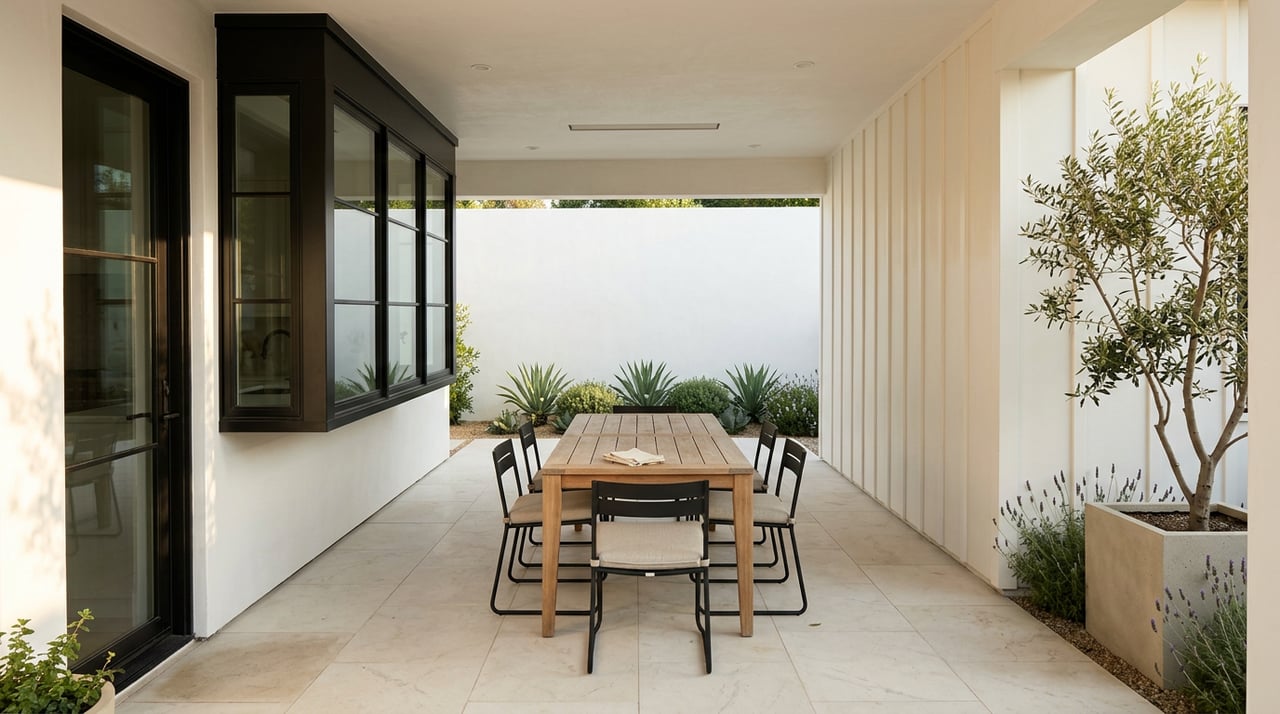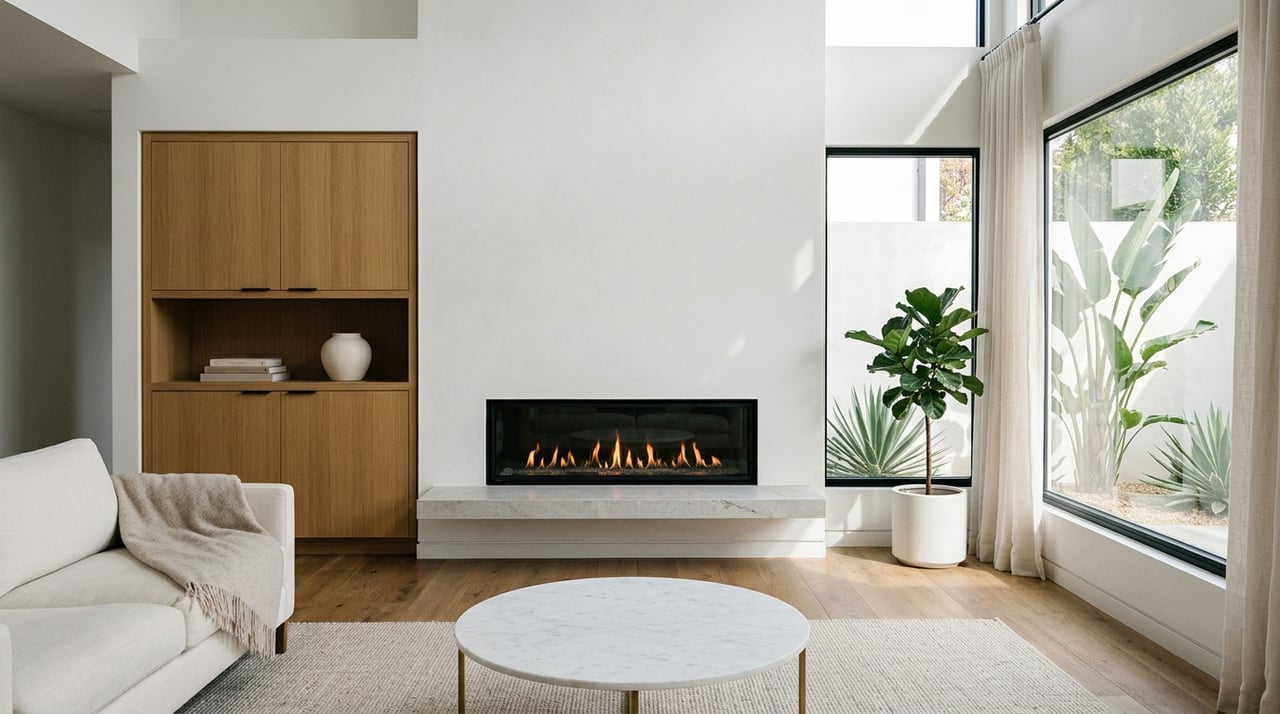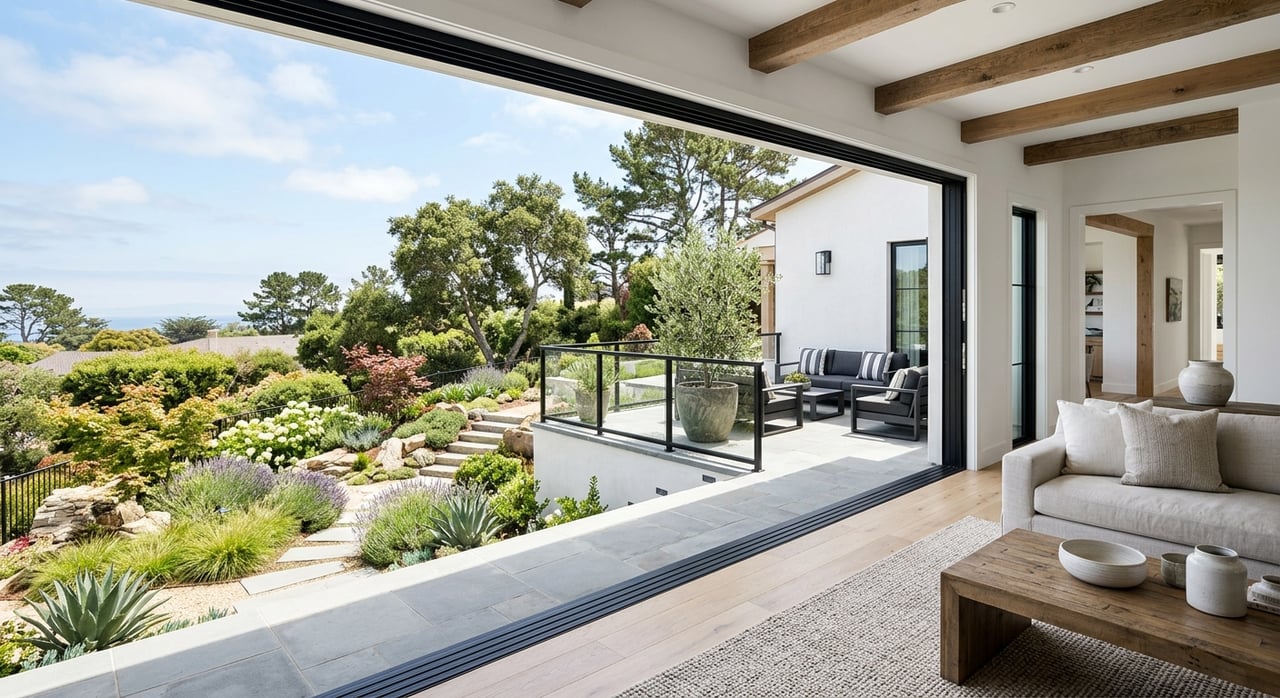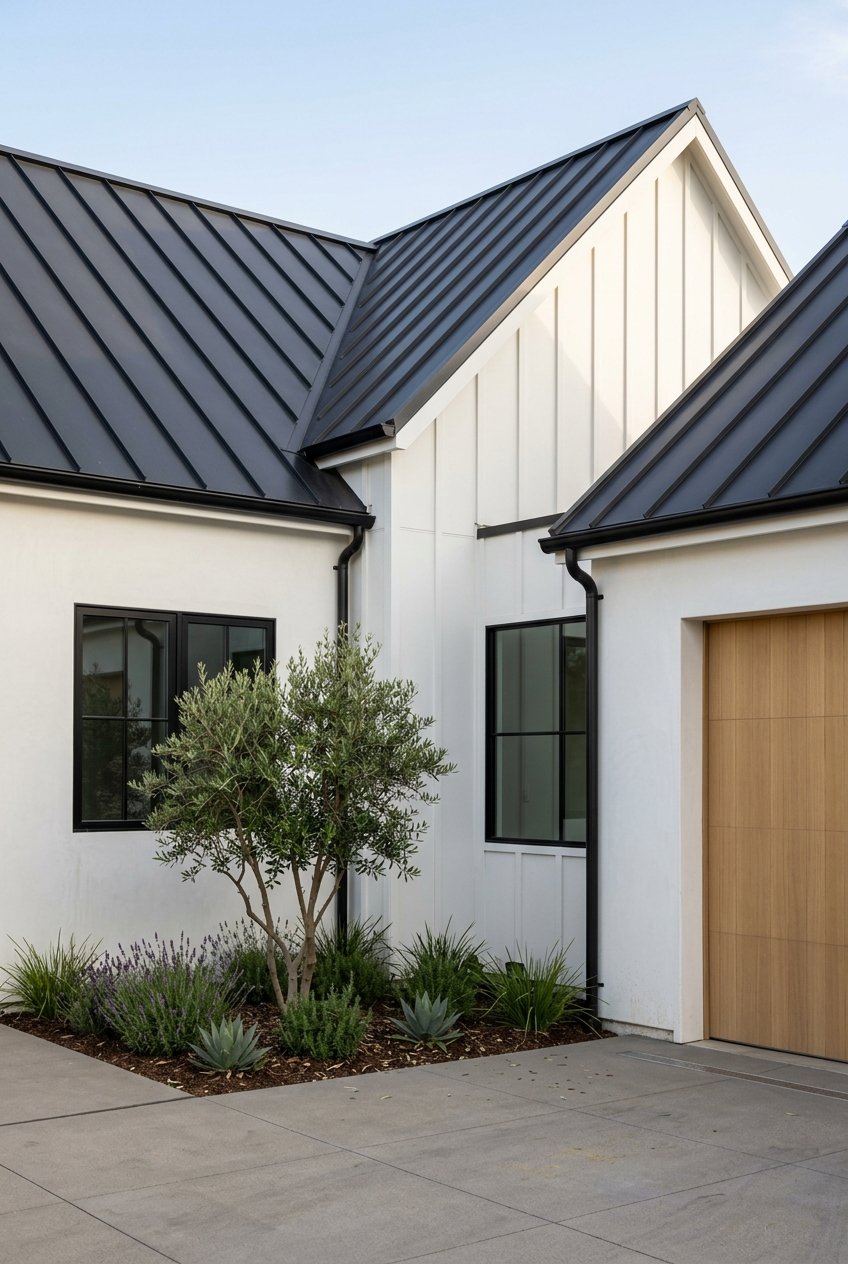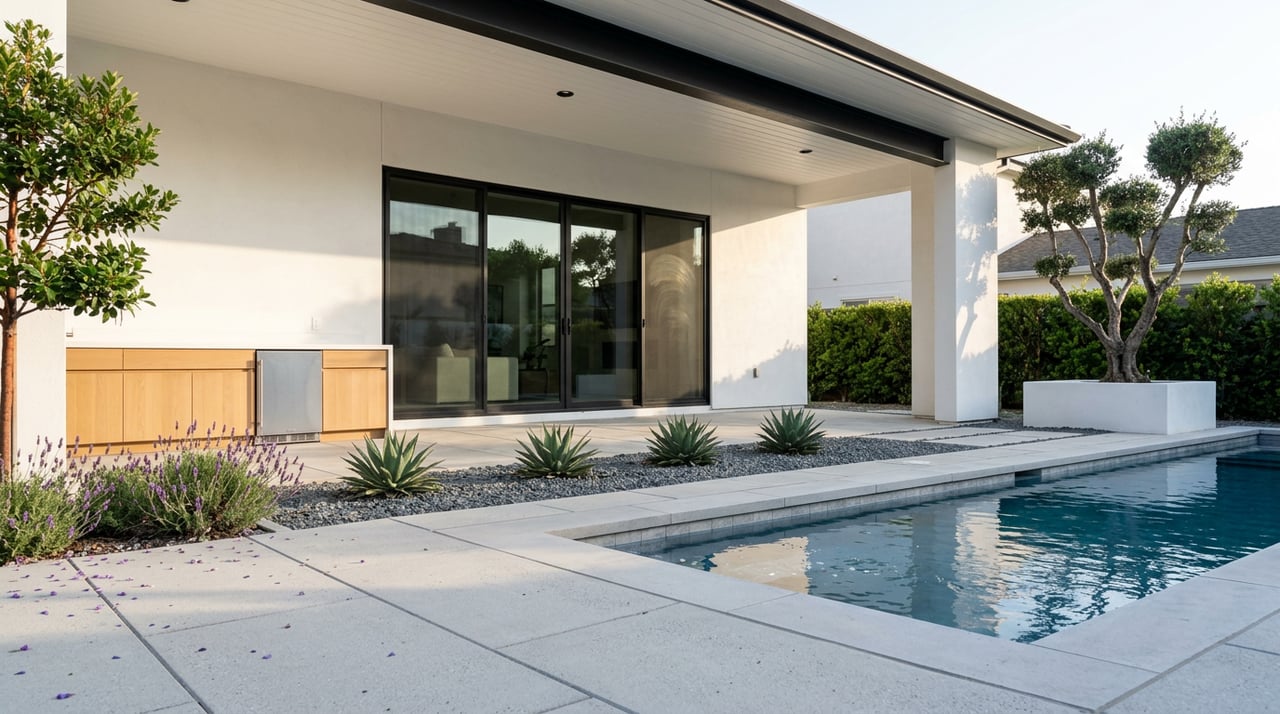
You know a great design home when you see it. Clean lines, natural light, and quality materials do more than look good. They change how you live. If you are preparing to sell a design-forward home in Costa Mesa, your marketing needs to match the caliber of your space. In this guide, you will learn how to package, present, and promote your property so luxury and near-luxury buyers take notice and act. Let’s dive in.
Know your buyer and price lane
Costa Mesa pricing sits in a range where presentation and positioning make a real difference. According to Zillow, the median list price in Costa Mesa was about $1.54M as of Feb 28, 2026. You can review the current snapshot on the Zillow Costa Mesa market page.
In Orange County, many professionals treat the 2M-plus tier as the broad luxury segment. In Costa Mesa, your home can be positioned as near-luxury or luxury based on its list price, recent renovation quality, materials, and architectural story. Use fresh comps and a pricing strategy that reflects your design pedigree and neighborhood.
Buyer discovery is primarily digital. NAR’s research shows buyers across generations rely on online search, with photos and virtual content rated as the most useful website features. See the NAR Generational Trends report for the latest behavior insights.
Design-forward listings in Costa Mesa often attract local executives and professionals, relocation buyers from LA’s Westside and Silicon Beach, and design-focused buyers who value proximity to South Coast Plaza and the Segerstrom Center. That audience expects best-in-class visuals, a clear design narrative, and easy remote touring options.
Build a design-first media package
Your richest buyer is likely to meet your home online first. Treat your visuals like a product launch.
Photography checklist
Set a clear brief for your photographer so the image set tells a cohesive design story.
- Image count and sequence: 25–50 curated images. Start with 1–3 hero exteriors, aerials if lot or context matter, then the kitchen and main living areas, the primary suite, and any special features like custom millwork, a wine room, or a library. Finish with a few lifestyle close-ups that highlight materials and craftsmanship.
- Technical standards: request edited JPEGs in sRGB. Ask for master files sized larger for print and web-ready versions at a long-edge width of at least 2,000 pixels, in 4:3 or 3:2 aspect. Capture natural-light interiors with HDR blending to preserve window views. These practices align with guidance from Photography for Real Estate.
- Twilight hero: schedule a golden or blue hour exterior. A twilight hero can dramatically improve click-through and make your listing stand out on crowded portals.
- Aerials: drone images can showcase rooflines, lot context, and nearby amenities. Ensure your operator is a certified Part 107 remote pilot and follows local and FAA rules. Review FAA’s commercial drone guidance for sellers and vendors here.
Video and virtual tours
Video deepens emotion and communicates flow in ways that stills cannot. Pair it with a 3D tour to serve out-of-area buyers.
- Deliverables to request:
- A 90–180 second cinematic walkthrough for YouTube and your property site.
- A 30–60 second social hero cut for Instagram and Facebook feeds.
- Vertical 9:16 edits for Reels, Stories, and TikTok (15–60 seconds).
- Technical notes: provide MP4/H.264 masters with AAC audio at native frame rates. YouTube’s upload guidance is a safe standard for quality and compatibility. Review YouTube’s recommended settings.
- 3D experiences: Matterport-style tours and dollhouse views increase qualified engagement and reduce unnecessary showings, especially for relocation and international buyers. Learn how immersive tours improve the buyer experience from Matterport’s industry blog.
Privacy and security
Before photos or video, do a quick security sweep. Remove or obscure visible alarm model numbers, Wi‑Fi names, personal mail, and any codes or sensitive documents. Secure valuables and avoid close-ups of safes or serial numbers. Why it matters: public listing imagery is searchable and can be misused. See common pitfalls in this privacy and security overview.
Stage what matters
Staging can amplify the architecture and help buyers visualize scale, flow, and use. NAR’s research shows staging can shorten time on market and, in many cases, improve offers. Explore the data in the 2023 NAR Profile of Home Staging.
- Where to focus: prioritize the main living area, kitchen, and primary suite. Use a restrained, design-conscious approach that complements your home’s lines and materials.
- Cost ranges: locally, targeted refreshes often run a few hundred to a few thousand dollars, while full-home staging can reach several thousand depending on scope and timeline. Request itemized quotes and clear install and pickup dates.
- Virtual staging: use it selectively for rooms that are vacant or hard to furnish, and always disclose virtual edits per MLS rules.
Tell the design story like a pro
The right words help buyers understand what makes your home rare. Keep the tone factual and design-led.
Lead with provenance and specs
Start your description with provenance: name the architect or designer, renovation year, and project scope. Then provide key facts like beds, baths, square footage, and standout materials or systems. Buyers of design-forward homes value authenticity and detail. For ideas on structure and message balance, see this listing marketing framework.
- Example opener: “Reimagined in 2022 by [Designer Name], this modern coastal home pairs sunlit interiors with seamless indoor-outdoor living just minutes from South Coast Plaza.”
- Follow with facts: wide-plank oak floors, custom white oak cabinetry, integrated-paneled appliances, upgraded HVAC, whole-home water filtration, smart lighting. Avoid vague superlatives. Be specific.
Highlight lifestyle and flow
Write short, room-by-room highlights. Call out indoor-outdoor transitions, natural light, and moments that matter, like a scullery pantry or a skylit hallway. Include a brief systems paragraph, plus a neighborhood lifestyle note that references arts, dining, and shopping. Keep it neutral and informative.
Use SEO and MLS mechanics
Include the neighborhood and 1–2 lifestyle keywords in the first couple of lines. Terms like “Mesa Verde,” “South Coast Metro,” “indoor-outdoor living,” or “midcentury-modern details” can aid discoverability where appropriate. Keep MLS remarks neutral and compliant. Reserve deeper storytelling for your property website, brochure, and agent media kit.
Distribute where luxury buyers look
Your media is only as effective as its reach. Pair wide distribution with targeted placements.
Core syndication
Launch on CRMLS with the full photo set, video, and virtual tour, then syndicate to major portals. NAR’s research confirms that photos are the top-rated website feature for buyers, and that videos and virtual tours are increasingly important. You can review the trendlines in the NAR Generational Trends report.
Leverage brokerage-scale reach
If you list with a team that operates under a global luxury platform, ask about their international syndication, curated email lists, and editorial placements. A strong brokerage partner can amplify your exposure to qualified buyers domestically and abroad.
Earned media and design press
Exceptional design stories can attract regional design media or architecture blogs. To pitch effectively, prepare high-res photography, a concise project timeline, material callouts, and a short designer or architect statement. Align your photo selections with editorial standards, not just MLS.
Run a focused paid launch
A tight 2–4 week paid plan can put your home in front of the right eyes fast.
- Meta and Instagram: promote a 15–30 second vertical hero cut and a square feed edit. Target interests like architecture and interior design, plus geographic feeders such as Los Angeles and San Diego where platform policy allows.
- YouTube: use the 90–180 second walkthrough for video discovery and pre-roll audiences. Follow YouTube’s recommended encoding for smooth playback.
- Search and display: capture active buyers searching for design-forward homes in Costa Mesa and Orange County. Retarget users who watched your video or viewed multiple photos on the property site.
- Retargeting creative: serve reminders like “See the full tour” or “Request a private preview” to high-intent viewers.
Measure early and adjust. Within 7–10 days, shift budget to your best-performing creative and audiences.
Timeline and budget snapshot
A clear schedule keeps your launch on track and your asset quality high.
Pre-list: 2–4 weeks out
- Finalize repairs, deep cleaning, and a targeted staging plan.
- Book photographer, drone pilot, videographer, and 3D tour vendor. Confirm a twilight date and a weather backup.
- Request a shot list that follows your listing copy outline.
- Prepare your property website, a printable brochure PDF, and a one-page design spec sheet for agents and buyers.
- Confirm MLS photo count and file-size rules with your listing broker. Require Part 107 compliance for drone work per FAA guidance.
Launch week
- Go live on MLS and portals with the full media set.
- Publish your property website, video, and 3D tour.
- Email curated buyer lists and host a targeted brokers’ preview for top local agents.
- Start your paid campaign with Reels, feed, and YouTube placements.
First 30 days
- Review portal views, property site sessions, video completion rates, inquiries, and showing requests by day 5–7 and day 14.
- Refresh creative: test a new hero image or alternate video cut, and update your audience targeting.
Example budget ranges
Budgets vary by scope, property size, and vendor. As a directional guide:
- Photography: about $300 to $1,200. Twilight exteriors may be an add-on.
- Video walkthrough: about $800 to $3,500, with short social edits included or added.
- Drone: about $150 to $600 with a Part 107 pilot.
- Staging: a few hundred to several thousand depending on scope. See the 2023 NAR staging report for medians and impact data.
- Digital ads: plan for a few hundred to several thousand dollars depending on geographic reach and creative volume.
Quick seller checklist
- Confirm pricing strategy aligned to recent design-forward comps.
- Hire a design-savvy photographer and videographer with a written deliverables list.
- Schedule a twilight exterior and secure a Part 107 drone pilot.
- Produce 1 long walkthrough, 1 social hero cut, and 1–2 vertical Reels edits.
- Stage key rooms and disclose any virtual staging per MLS.
- Build a property website with embedded video and 3D tour.
- Launch targeted paid ads and retargeting in week one.
- Host a brokers’ preview for top-producing local agents.
- Track KPIs and refresh creative within 7–10 days.
Ready to sell your Costa Mesa design home?
If you want boutique attention with global reach, pair your design story with a marketing engine built for luxury results. From media direction and staging to international exposure and negotiation, you deserve a strategy that protects your time and maximizes your outcome. Connect with the Charlie Price Group to plan a tailored launch for your Costa Mesa home.
FAQs
What defines luxury pricing in Costa Mesa?
- In Orange County, the broad luxury tier often starts around 2M. In Costa Mesa, design-forward homes can position as near-luxury below that threshold or luxury above it, depending on finishes, updates, and comps.
Do I need both video and a 3D tour to sell?
- Video conveys flow and emotion, while a 3D tour helps out-of-area buyers qualify remotely. NAR research shows online visuals drive buyer engagement, and Matterport’s guidance supports using immersive tours to improve the buyer experience.
What photo specs work best for MLS and web?
- Request edited JPEGs in sRGB with web-ready versions at 2,000-plus pixel long edge and HDR blending to preserve window views. See standards from Photography for Real Estate. Always confirm CRMLS file-size limits with your agent.
How much should I budget for staging?
- Plan for a few hundred to several thousand dollars depending on scope. NAR’s 2023 staging study reports that staging can shorten time on market and, in many cases, improve offers.
Are drone shots allowed over my neighborhood?
- Yes, if operated by a certified Part 107 remote pilot who follows FAA rules and local ordinances. Review FAA’s summary of requirements here.
What metrics matter in the first two weeks?
- Focus on portal views, video completion rates, property site visits, qualified inquiries, and showing requests. Use early data to adjust hero images, video cuts, and audience targeting by day 7–10.