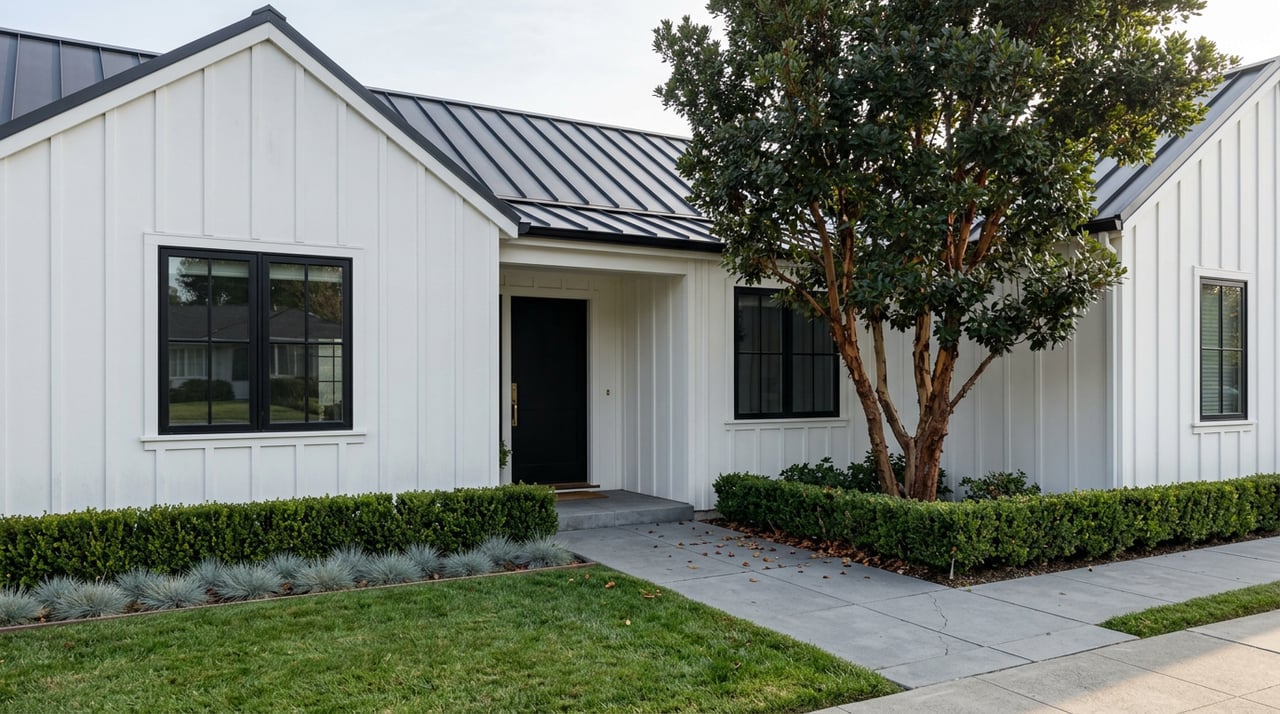
What does a home inspector already know about a Costa Mesa property before they've even parked the car? More than you'd think. Ask any inspector who works this city regularly and they can guess several items on the report just from the block. A cottage on the Eastside will surface different findings than a slab-built ranch three miles west, and both will differ again from a converted loft south of the Bristol corridor. The building year predicts the failure. What it doesn't predict is whether the paperwork behind that building matches what's actually there.
That gap between predictable system age and unpredictable permit history is the thing most buyers don't budget for. It's also the thing that changes what you should ask for before you write an offer, not after your inspector hands you a twelve-page report with photos.
Costa Mesa Is Several Housing Markets Wearing One ZIP Code
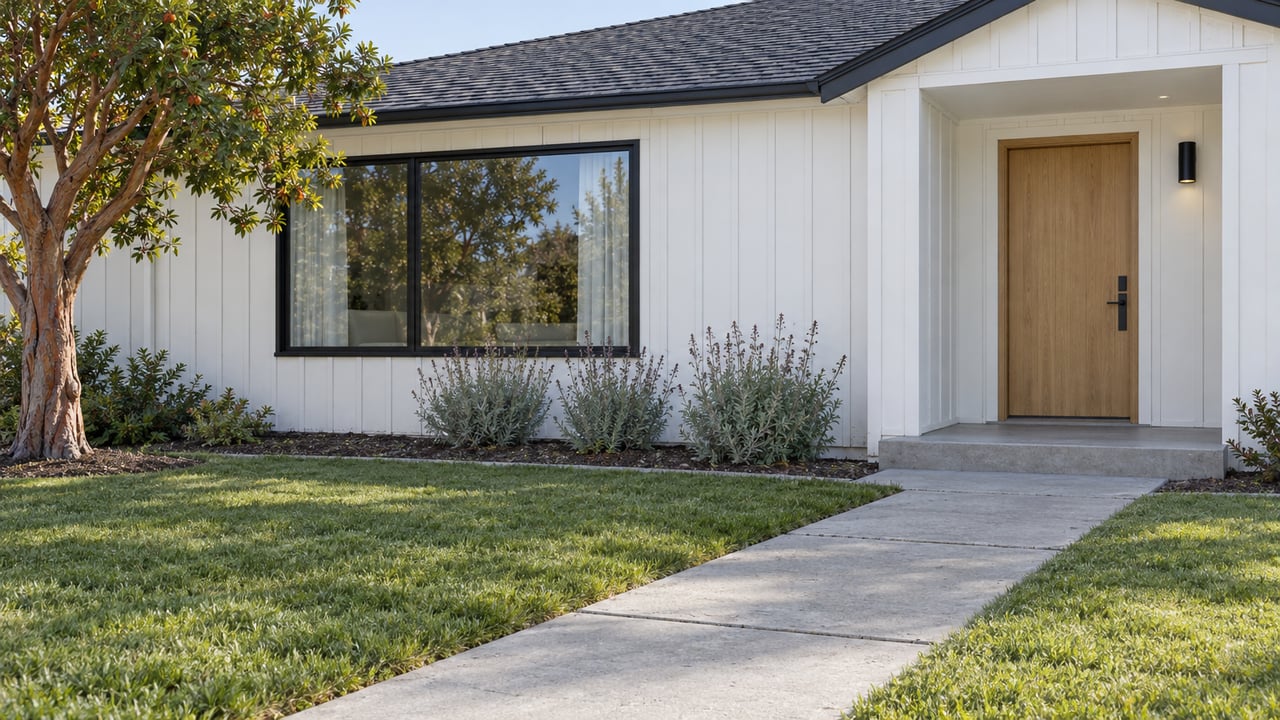
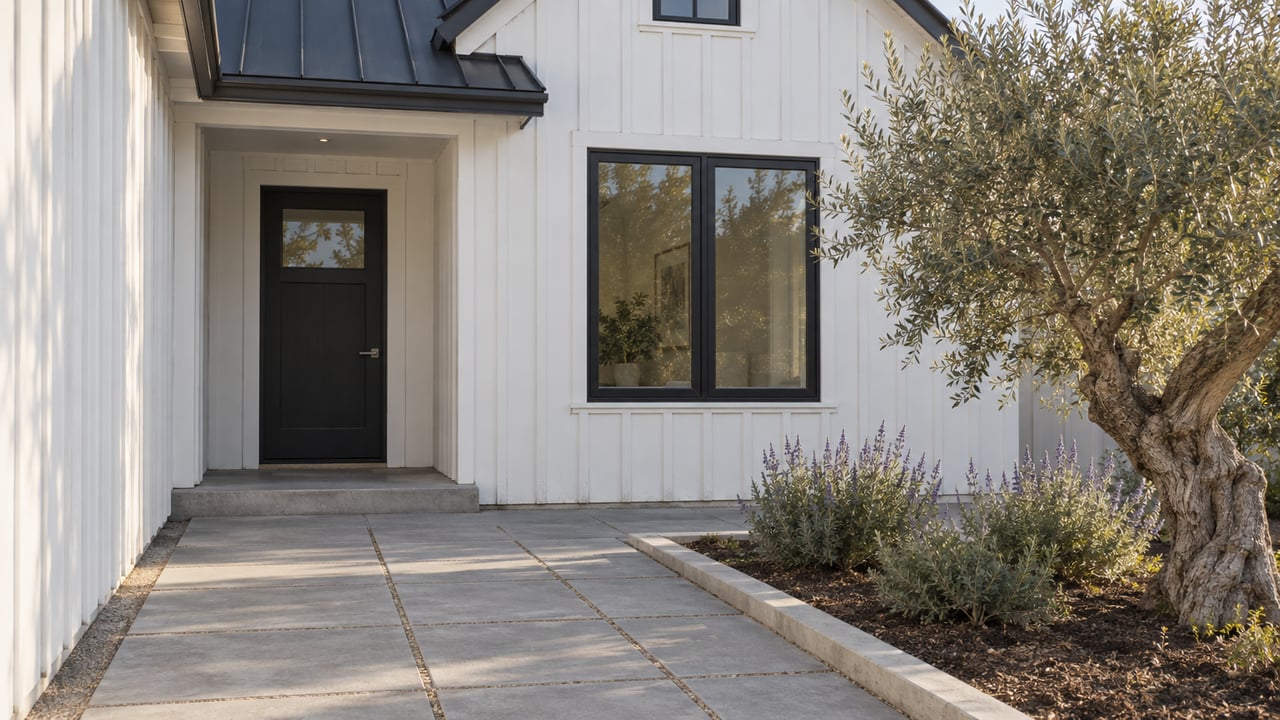
Costa Mesa reads as one city on a listing sheet, but it was built in at least four distinct waves, plus one pocket that was never built as housing at all. Eastside Costa Mesa and College Park hold cottages and mid-century bungalows, some more than eighty years old. Mesa Verde and the central tracts were built out mostly between 1955 and 1975. The western tracts filled in through the 1980s and 1990s with slab-on-grade construction. Then there's SoBeCa, south of the Bristol corridor, where old industrial buildings and warehouse shells have been converted into residential lofts, carrying commercial-grade systems that a typical single-family inspection scope was never designed to evaluate.
| Area | Typical build era | What usually surfaces |
|---|---|---|
| Eastside Costa Mesa & College Park | Pre-1945 through 1960s cottages | Original plumbing and wiring; Stone Development Inc. describes a design review requirement for exterior changes |
| Mesa Verde & central tracts | 1955 to 1975 | Aging electrical panels, sewer laterals, roofs near the end of their service life |
| Western tracts | 1980s to 1990s slab construction | Failed dual-pane window seals, copper pipe pinhole leaks |
| SoBeCa (South of Bristol) | Converted industrial/loft | Commercial-grade systems, layered and sometimes incomplete permitting history |
| Eastside teardown-rebuilds | 2000s to present | New construction on old lots, with permit completeness that varies by builder |
A buyer comparing two Costa Mesa listings on price alone is comparing two different risk profiles without realizing it.
The Cottage Overlay Nobody Mentions Until You're in Escrow
Eastside Costa Mesa's charm is the reason people buy there, and it's also the reason renovation moves slower than in most of the city. That review step can affect the paint color, the window swap, or the front porch addition you're already picturing. It's not a dealbreaker. It's a timeline item that belongs in your renovation budget conversation before closing, not a surprise you discover with a contractor already scheduled.
What Fails First in the Mid-Century Core
Mesa Verde, College Park, and the central neighborhoods built between 1955 and 1975 are Costa Mesa's largest single housing cohort, and the findings there follow their age closely. Electrical panels from this era, including Federal Pacific and Zinsco brands, were both discontinued over known safety concerns and still turn up regularly in these houses. Sewer laterals installed in the same period are approaching or past their expected service life. Roofs, unless replaced, are typically on a second or third covering by now. None of this means a mid-century Costa Mesa home is a bad buy. It means the inspection in this pocket of the city should assume these three systems need a closer look rather than treating any one of them as an unlikely find.
The 1980s and 1990s Tracts Are Hitting Their Own Wall
Move west into the newer tracts and the failure points shift, even though the houses look considerably more modern. Dual-pane windows installed during this construction wave are now old enough that their seals fail and the glass fogs between panes, a problem that's easy to miss unit by unit but expensive across an entire house. Copper plumbing from the same era is old enough to develop pitting and pinhole leaks working from the inside of the pipe outward, meaning the failure often shows up as a water stain long before anyone suspects the plumbing itself. Buyers touring these tracts sometimes assume newer construction means fewer inspection line items. In Costa Mesa's case, it means different ones, arriving right on schedule for a house built thirty to forty years ago.
The One Risk That Doesn't Care How Old the House Is
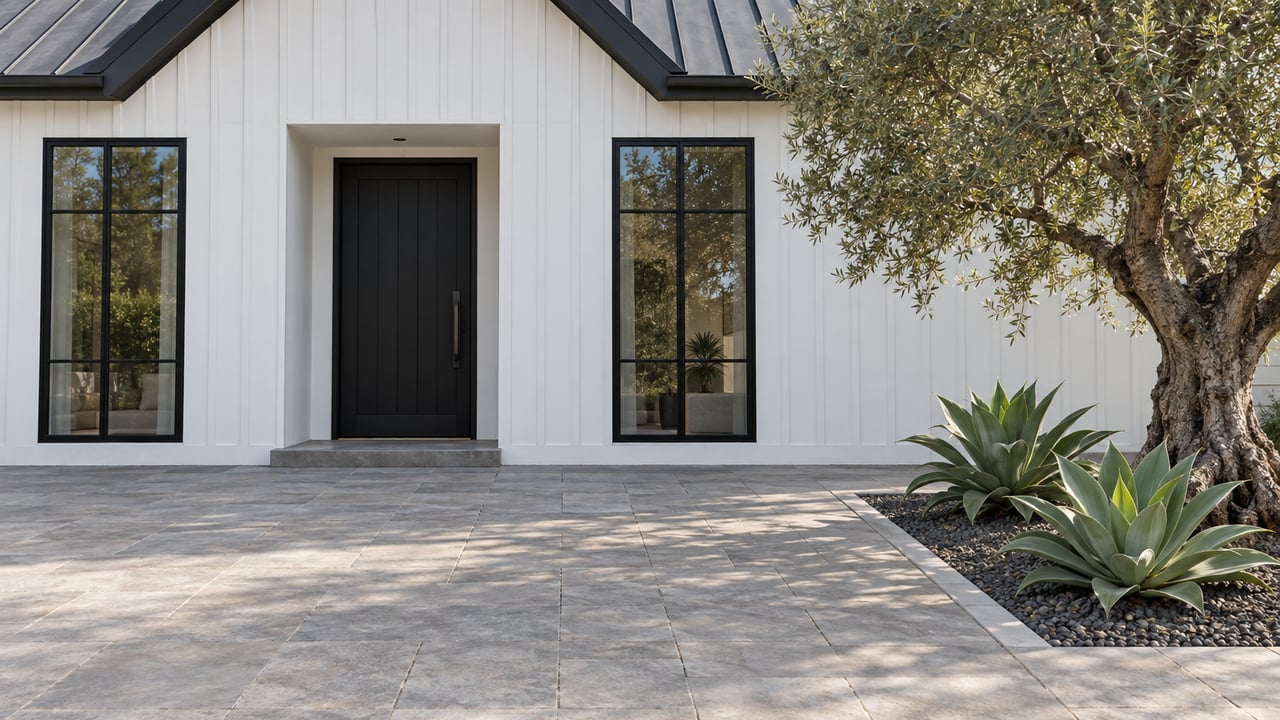
Here's the part that cuts across every era on that table. Costa Mesa has a genuinely heavy remodel and rebuild culture. Eastside lots have seen significant teardown activity since the 2000s, with custom modern homes now sitting where older cottages used to be. Citywide, accessory dwelling unit construction is common enough that the city fast-tracks smaller detached units, generally those under 800 square feet, through an expedited review process. Both trends are good for the housing stock. Both also mean a meaningful share of Costa Mesa square footage was added or altered after the original build, and not every addition was permitted correctly, or at all.
This is the piece a standard visual inspection cannot fully resolve on its own. An inspector can document how an addition was framed and flag a question about the square footage. They can't tell you from a walkthrough whether that square footage is reflected in the county's records, whether a garage conversion was ever finaled, or whether the ADU behind the main house has a permit history that matches what's physically there. That's a separate check, and it matters just as much on the sleek Eastside rebuild as it does on the eighty-year-old cottage next door.
Before You Write the Offer
A short sequence, done in the right order, closes most of this gap before you're locked into a contract:
- Pull the property's permit history through the city's TESSA permitting portal using the address and the Assessor's Parcel Number, and note anything that looks incomplete, expired, or missing entirely for known additions.
- Hand your inspector the permit numbers and any available plan sets so they know what to compare against what they find on site, not just what to describe.
- If something doesn't line up, whether it's an addition, a converted garage, or an ADU, get a bid from a licensed contractor on what it would cost to bring the work to code and obtain the after-the-fact permit.
- Use that number in the negotiation.
None of this requires slowing down a competitive offer. It requires sequencing the permit pull alongside the inspection instead of after it.
Frequently Asked Questions
What if the seller doesn't have permit records for an addition? Older files, particularly from before the 1990s, aren't always digitized, so absence of a record online isn't automatically proof the work was never permitted. It does mean you should ask the seller directly for final inspection reports or contractor documentation, and treat a confirmed absence as a negotiating point rather than a reason to walk.
Does unpermitted square footage affect financing or appraisal? It can. An appraiser typically values a home based on what's documented, so square footage that doesn't appear in county or city records may not be credited the same way in an appraisal, which is a separate issue from whether the space is livable or well built.
Are Costa Mesa's older homes harder to insure? Panel type matters more than age alone. Homes with Federal Pacific or Zinsco panels can face more scrutiny or higher premiums from some insurers regardless of the house's overall condition, which is one more reason to know what panel is behind the door before you're deep into escrow.
Does buying a newer Eastside rebuild avoid all of this? Not entirely. Rebuild quality on Eastside teardown lots varies by builder, and a newer structure can still carry an incomplete or improperly closed permit if the original scope changed mid-project. New doesn't mean the paperwork automatically matches the finished house.
Costa Mesa rewards buyers who treat the permit history and the inspection as two separate checks pointed at the same house, not one. If you're comparing homes across Eastside, Mesa Verde, the western tracts, or SoBeCa and want a read on what a specific address's build era and permit file actually tell you, Charlie Price Group can walk the file with you before you write the offer, not after.
This article is general information, not legal, tax or financial advice. Consult a qualified professional about your situation.