Torn between the energy of a harbor town and the quiet drama of cliffside coves? If you are choosing a second home in coastal Orange County, Newport Beach and Laguna Beach offer two world-class lifestyles that feel very different day to day. Your choice should reflect how you plan to use the property, from boating and beach time to privacy and long-term value. This guide breaks down lifestyle, property types, ownership costs, regulations, and due diligence so you can decide with confidence. Let’s dive in.
Quick take: Two coastal greats, two styles
Both cities are luxury markets with limited supply and strong demand. The difference is how the coast shapes life.
- Newport Beach: A boating hub with a large harbor, canal living, and a wide variety of homes, from bayfront estates with private docks to luxe condos near Fashion Island and Lido Marina Village.
- Laguna Beach: A dramatic coastline of coves, bluffs, and galleries that leans into privacy, art, and view-driven homes on smaller, highly prized parcels. Inventory is more limited and often trades at a premium per square foot.
Who each city fits best
- Choose Newport Beach if you prioritize: private docking and moorage, an active yachting community, restaurant access by boat, and more ways to enter the market across condos, canal homes, and estates.
- Choose Laguna Beach if you prioritize: seclusion, panoramic coastal views, an arts-centric identity, and the prestige that comes with very limited oceanfront supply.
- If rental income matters: both cities regulate short-term rentals. Confirm current ordinances and HOA rules before assuming income potential.
- If appreciation and prestige matter most: Laguna’s scarcity and cultural cache can support strong long-term positioning, while Newport’s differentiated harbor product and broader liquidity are also highly desirable.
Property types and neighborhoods
Newport Beach highlights
- Balboa Peninsula and Balboa Island: Classic beach-town feel, cottages and townhomes, beach and ferry access, and proximity to the piers and Fun Zone.
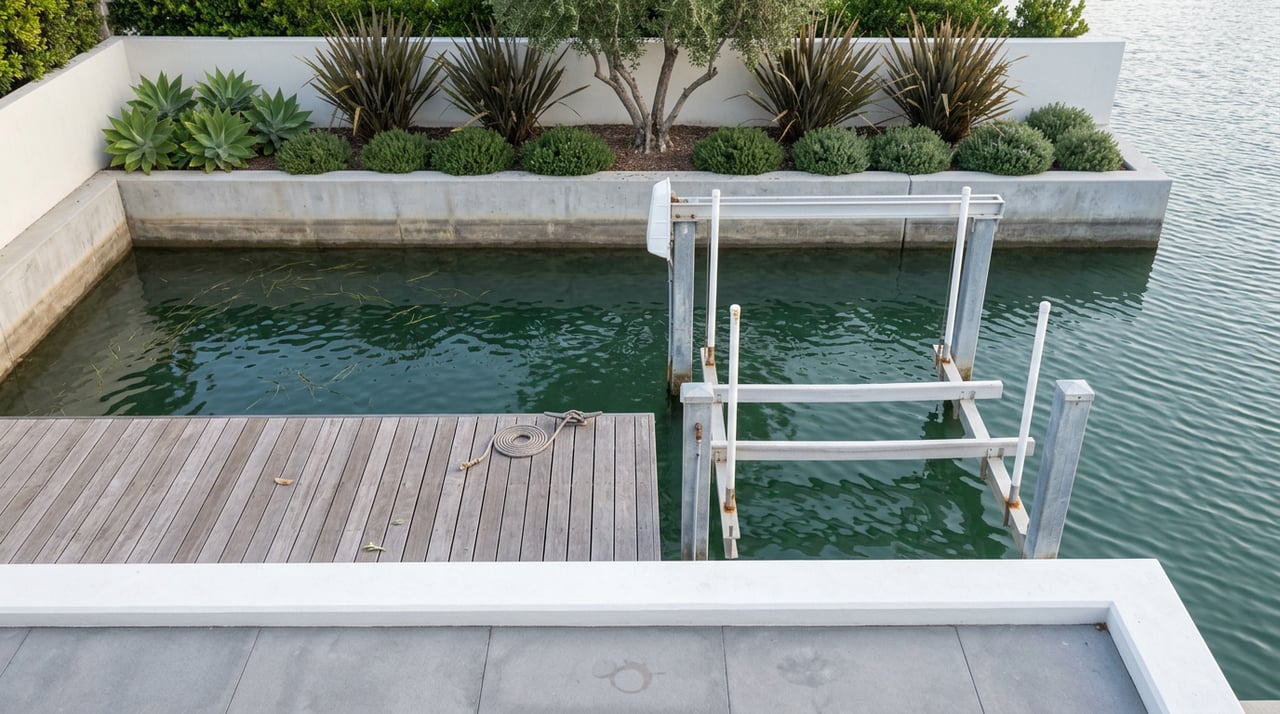
- Newport Harbor canal homes: Single-family homes on canals with private docks. Some slips accommodate larger vessels, which is a rare and valuable feature.
- Lido Isle and Harbor Island: Gated island communities with private association amenities and close marina access.
- Corona del Mar (CDM): Bluff-top cottages and modern luxury homes with ocean views, plus a walkable village retail core.
- Newport Coast and Pelican Hill area: Gated luxury communities and trophy estates near resort amenities.
Laguna Beach highlights
- Main Beach and North Laguna: Gallery-rich, pedestrian-friendly zones with bluff-top homes and cottages.
- South Laguna, Thousand Steps, Victoria Beach: Intimate coves with stair access, prized for privacy and coastal scenery.
- Emerald Bay and Three Arch Bay: Gated oceanfront enclaves with private beaches and a strong sense of exclusivity.
- Canyon neighborhoods: Homes set above the bluffs for panoramic views and added privacy. Condo stock is limited near downtown; single-family homes dominate the market.
Ownership costs and recurring expenses
- Property taxes: California’s baseline is about 1% of assessed value, plus local assessments. On high-value homes, the absolute tax bill is significant even if the rate is standard.
- HOA dues: Vary widely. Gated communities with private beaches or marina infrastructure can have higher dues. Waterfront associations may include dredging or seawall maintenance.
- Maintenance: Waterfront properties face dock, seawall, and corrosion costs. Steep-lot homes in Laguna may require hillside stabilization, drainage attention, and careful access planning.
- Insurance: Coastal properties often face higher homeowners, wind, and flood premiums. Flood zone designation can affect coverage and lender requirements.
Lifestyle and access
Beaches and outdoor recreation
- Newport Beach: Long, sandy beaches for surfing, volleyball, and family activities. Easy bike paths, parks, and a classic coastal vibe on the Balboa Peninsula.
- Laguna Beach: Smaller coves, tide pools, and cliffside trails that deliver a more intimate beach experience. Crystal Cove State Park is adjacent, adding hiking and open space.
Boating and marinas
- Newport Beach: A major regional boating center with a large harbor, yacht clubs, and significant private-dock inventory. If you want to step onto your boat from your backyard, this is the standout choice.
- Laguna Beach: Fewer marina options and limited harbor facilities. Many boaters in the area use nearby regional harbors; the local experience is more about private beaches in select enclaves and scenic coves than day-to-day moorage.
Dining, retail, and culture
- Newport Beach: Upscale retail at Fashion Island, marina-side dining at Lido Marina Village and around the harbor, and a broader selection of mainstream luxury services.
- Laguna Beach: Boutique restaurants, galleries, and a year-round arts presence. Seasonal festivals and a quieter evening scene reflect its cultural identity.
Regional access
- Both areas are served by John Wayne Airport for regional flights and LAX for international travel. Newport’s central location can shorten drives to Irvine and major OC freeways, while Laguna sits closer to south county and Dana Point. Expect heavier traffic during peak visitor seasons in both cities.
Short-term rentals: rules and reality
Short-term rental regulations vary by city and can change. Both Newport Beach and Laguna Beach control permits, occupancy, and enforcement for STRs, and HOA rules may add further limits. If rental income is part of your plan, verify current municipal ordinances, permit availability, and compliance costs before you buy. Do not assume you can operate an STR without a valid permit and HOA approval.
Risks, permits, and redevelopment constraints
- Coastal hazards: Flood, wind, and corrosion risks are higher on the coast. Flood zones affect insurance pricing, and sea-level rise and erosion can impact seawalls, beach width, and long-term insurability.
- Harbor and bluff due diligence: If you are evaluating a waterfront property, obtain seawall and dock condition reports and confirm permit history. For bluff-top or hillside homes, request a stability assessment.
- Coastal permitting: Many projects near the water or bluffs require approvals subject to California Coastal Commission oversight. In Laguna Beach, steep topography and design review can make expansions more constrained. In Newport, harbor modifications may trigger separate marine reviews and maintenance rules.
Decision checklist
Use this list to streamline next steps and protect your investment.
- Clarify your top priority: docking and boating, privacy and views, rental potential, or long-term trophy positioning.
- Confirm current short-term rental rules and HOA restrictions, including permit caps and compliance costs.
- Order flood zone determinations and preliminary insurance quotes for homeowners and flood coverage.
- Review seawall, dock, erosion, and bluff-stability reports, plus any coastal permits and prior approvals.
- Examine HOA documents, CC&Rs, marina bylaws, and reserve studies where applicable.
- Check for Mello-Roos or other assessments and review historical property tax bills.
- Verify utility access, emergency access, and hillside logistics for canyon or bluff properties.
- Understand marina slip availability and transfer rules if dockage matters.
- Map architectural or historic overlays that could affect future remodels.
- Compare market comps by property type, not just by ZIP code. A canal home and a bluff-top cottage follow different value drivers.
Which market holds value best?
Both cities are high-barrier markets with strong prestige. Laguna Beach often commands a premium per square foot due to smaller supply, protected topography, and coveted cliffside oceanfront lots. Newport Beach offers differentiated harbor and canal product that is rare in Southern California and can deliver strong demand across multiple price tiers. Liquidity varies by segment. Trophy assets in either city can take time to trade, while more broadly appealing price brackets may move faster in Newport due to greater inventory.
The bottom line
If you picture morning coffee on a private dock before a harbor cruise, Newport Beach fits your lifestyle. If you want a quiet terrace above a secluded cove and an everyday connection to galleries and coastal trails, Laguna Beach fits yours. Start with how you plan to live in the home, then verify the rules, costs, and risks tied to that vision.
Ready for a confidential, tailored search with access to curated on and off-market options across both cities? Connect with the Charlie Price Group for local intelligence, precise valuation guidance, and a seamless path to the right second home.
FAQs
Is Laguna Beach more expensive than Newport Beach for second homes?
- Both are expensive luxury markets, but Laguna often trades at a premium per square foot because of scarce oceanfront land, protected topography, and a smaller housing stock.
Which is better for boating and private docks in Orange County?
- Newport Beach is the clear choice, with a large harbor, canals, yacht clubs, and significant private-dock inventory suited to a wide range of vessels.
Which offers more privacy and dramatic ocean views for a vacation home?
- Laguna Beach generally offers greater seclusion and panoramic views, especially in bluff-top, canyon, and gated oceanfront enclaves.
Can I use a Newport Beach or Laguna Beach home for short-term rentals?
- Possibly, but both cities regulate STRs. You must confirm current municipal ordinances, permit availability, and HOA rules before assuming any rental income.
What risks should I evaluate before buying on the coast in these cities?
- Review flood zones and insurance, seawall and dock conditions, coastal erosion and bluff stability, and permitting constraints that can affect future remodels or shoreline structures.
Which market offers better resale and liquidity for luxury properties?
- Both have strong prestige. Newport’s broader inventory can support slightly greater liquidity across price tiers, while Laguna’s scarcity can support high absolute values with thinner trading at the very top.