If you picture Newport Beach waterfront living as one thing, you may miss what makes it so compelling. In this coastal city, the experience shifts depending on whether you want boating access, calm bay views, or easy walks to the sand and pier. Understanding those layers can help you focus your search and see how different parts of Newport Beach support different lifestyles. Let’s dive in.
Newport Beach Waterfront Living Explained
A simple way to understand Newport Beach is to think in three parts: harbor, bay, and beach. Each one offers a distinct day-to-day rhythm, even though they sit close together within the same city.
The harbor is the most boat-centered setting. The bay adds calmer water, island connections, and access to open-space amenities. The beach brings surf, sand, piers, and a more classic coastal feel with active public shoreline.
That mix is part of what makes Newport Beach stand out. You are not choosing only a view. You are also choosing how you want to move through your day, spend time outside, and connect with the waterfront.
Harbor Living Centers on Boating Access
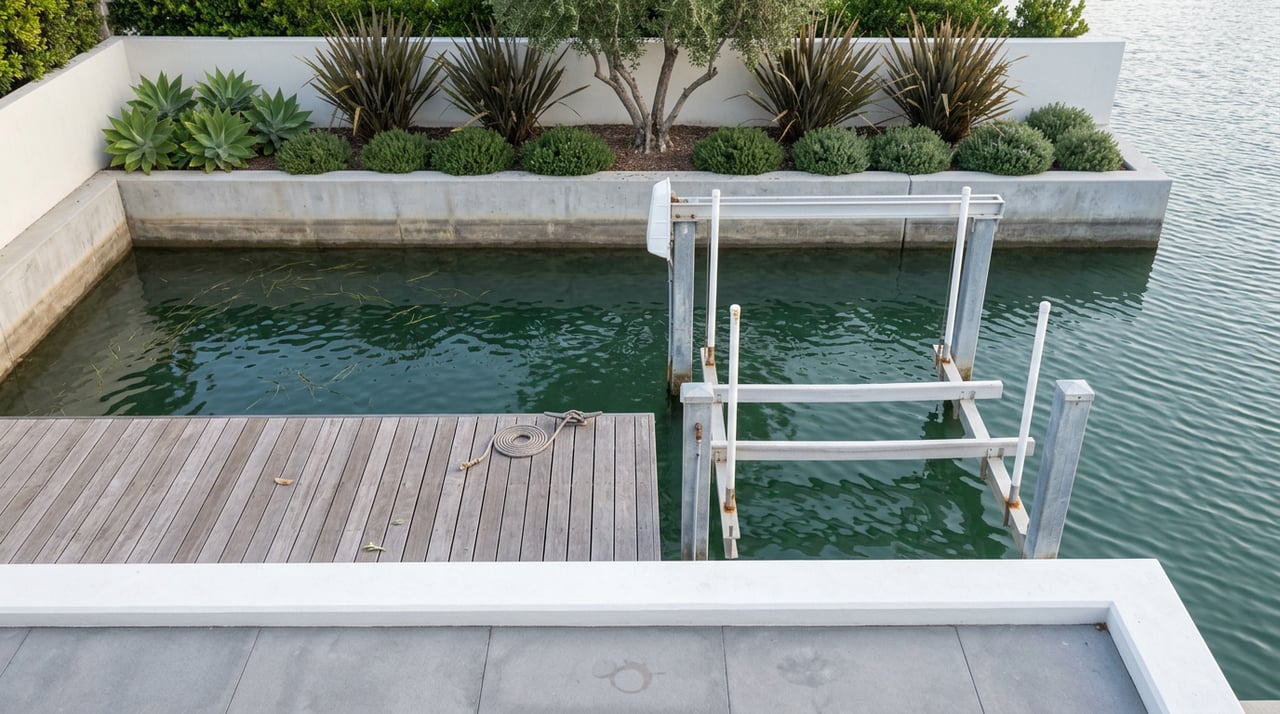
If your ideal coastal lifestyle includes boating, slips, and marina activity, harbor-front living usually feels the most aligned. Newport Harbor is one of the largest recreational harbors in the United States, and the city manages moorings, guest slips, marina facilities, and visiting vessel services.
This matters because harbor living is tied to real infrastructure, not just atmosphere. The main channel runs along the Balboa Peninsula and among the harbor islands, which helps shape a waterfront environment built around active marine use.
Harbor Infrastructure Shapes Daily Life
Balboa Yacht Basin is a city marina with 172 slips for vessels from 31 to 75 feet, and those slips are available on a monthly basis. The city also notes that moorings require a current permit, except for temporary use with Harbor Department permission.
Marina Park adds another layer to the harbor experience. This 10.5-acre community and sailing center on the Balboa Peninsula includes a sailing center, guest-slip reservations, an on-site café, and 177 parking spaces.
For visiting boaters, the city states that the harbor anchorage is limited to 72 hours. That detail reinforces how actively managed and functional the harbor is for both residents and visitors.
Harbor Areas to Know
Several Newport Beach settings stand out when you think about harbor-oriented living:
- Balboa Island, which the city describes as three islands connected to the peninsula by the Balboa Island Ferry
- Lido Isle, located on one of Newport Harbor’s seven islands
- Balboa Peninsula, where the harbor channel and marina activity are especially visible
- Mariner’s Mile, known for yacht brokerages, marine supply stores, retail, restaurants, and harbor-oriented businesses
Each of these areas connects to the water a little differently. Some feel more residential and island-based, while others place you closer to marinas, boating services, or commercial waterfront activity.
Harbor Dining Is Part of the Appeal
Harbor living is not only about owning a boat. It also supports a daily lifestyle shaped by waterfront restaurants, marina views, and easy access to the harbor edge.
Well-known dock-and-dine and harbor-view options include Harborside in the historic Balboa Pavilion, Billy’s at the Beach on the harbor off Coast Highway, and Lighthouse Cafe at Marina Park. These places help define the social side of harbor living and make the waterfront feel active beyond boating alone.
Bay Living Brings Calm Water and Connection
If you want a softer waterfront feel, bay-front living often offers that balance. The bay side of Newport Beach tends to feel more connected to island movement, ferry trips, shoreline walks, and lower-key water activity.
This is where Newport Beach often feels especially layered. You can be near the water without needing a boat-centered routine, and you can still enjoy a setting shaped by channels, island neighborhoods, and public shoreline access.
Balboa Island Ferry Adds Everyday Character
The Balboa Island Ferry is one of Newport Beach’s signature experiences. It has provided continuous service since 1919 for drivers, passengers, cyclists, and pedestrians between Balboa Island and Balboa Peninsula, with crossings of about 800 feet.
That may sound like a visitor detail, but it also says a lot about local life. In Newport Beach, waterfront movement is part of the identity of the place, and the ferry reinforces how bay living can feel connected, scenic, and practical at the same time.
Upper Newport Bay Offers a Different Waterfront Experience
Not every waterfront experience in Newport Beach is tied to marinas or beaches. Upper Newport Bay adds a quieter, nature-oriented side of coastal living that appeals to people who value outdoor access in a more natural setting.
The Upper Newport Bay Ecological Reserve is a 752-acre estuary with hiking, wildlife viewing, birdwatching, fishing, kayaking, and nature education. OC Parks also notes that the surrounding nature preserve is about 135 acres and includes the Peter and Mary Muth Interpretive Center.
This side of Newport Beach can be especially appealing if you want water nearby along with trails, open space, and a more peaceful backdrop. It broadens the idea of waterfront living beyond homes directly on the sand or harbor.
Beach Living Feels Active and Classic
For many buyers, beach living is the image that first comes to mind. In Newport Beach, that means ocean access, walkable shoreline amenities, piers, and a steady connection to surf and sand.
The city includes more than eight miles of beaches, including 6.2 miles of ocean beaches and 2.5 miles of bay beaches. Ocean and bay front beaches are open to the public from 6 a.m. to 10 p.m., which helps keep the shoreline active and accessible throughout the day.
Piers and Beach Amenities Shape the Lifestyle
The Newport and Balboa Piers are open from 5 a.m. until midnight, and both have restaurants on the piers. Fire rings are also available near Balboa Pier and at Corona del Mar State Beach.
These details matter because they show how beach living works in real life. Even if you are not in the water every day, you can still enjoy morning walks, sunset views, dining near the shoreline, and easy access to public beach amenities.
Crystal Cove Adds Coastal Open Space
At the southern edge of the city, Crystal Cove State Park expands the beach lifestyle beyond a neighborhood feel. The park adds 3.2 miles of beach and 2,400 acres of backcountry wilderness.
That combination makes Newport Beach waterfront living feel broader than a simple beach-town label. You get coastal access, but you also get a meaningful connection to preserved open land and outdoor recreation.
Waterfront Living Without a Boat
A common question is whether Newport Beach waterfront living only makes sense if you own a boat. The short answer is no.
The city’s beaches, piers, ferry, trails, harbor services, parks, and waterfront dining all support a strong coastal lifestyle without requiring boat ownership. In fact, many people are drawn to Newport Beach because they can enjoy the setting through walking, biking, dining, kayaking, or simply being close to the water.
The Back Bay Loop Trail connects with the Mountains to Sea Trail and Bikeway, which adds another way to experience the city’s waterfront geography. If your version of coastal living is more about movement and scenery than marina access, Newport Beach still offers plenty of ways to enjoy it.
Lifestyle Hubs Near the Water
One reason Newport Beach appeals to both full-time residents and second-home buyers is that waterfront living here is not isolated. Dining, shopping, and village-style districts sit close to many of the city’s most recognizable water settings.
That creates a lifestyle where you can move easily between the shoreline and everyday amenities. In a compact coastal city, that convenience becomes part of the value.
Lido, Balboa, and Fashion Island
Lido Marina Village is known as a walkable waterfront district with al fresco dining, boutiques, and harbor views. It blends a polished retail experience with a setting that stays tied to the marina and harbor edge.
Balboa Village offers a different feel, with Balboa Pier, the Balboa Fun Zone, and the historic Balboa Pavilion. It feels more rooted in classic waterfront activity and public gathering spaces.
Fashion Island adds another major lifestyle component. Newport Beach describes it as Orange County’s premier coastal shopping destination, with luxury and specialty retailers plus al fresco dining.
What Buyers Should Watch for
When you explore Newport Beach waterfront options, it helps to think beyond the word “waterfront” itself. Different locations offer different kinds of access, movement, and daily convenience.
A few practical points stand out from the city’s resources:
- Beach and bay front beaches are open from 6 a.m. to 10 p.m.
- The Newport and Balboa Piers are open from 5 a.m. to midnight
- Most paid parking is enforced from 8 a.m. to 6 p.m.
- Some locations, including the Balboa Pier Lot, are paid 24 hours a day
- Harbor rules, mooring permits, and visitor time limits can affect boating use
These are not small details. They shape how you, your guests, and potential future buyers may experience the area.
Why Newport Beach Waterfront Living Stands Out
What makes Newport Beach distinctive is not just its coastline. It is the way boating infrastructure, island neighborhoods, public beaches, trails, piers, and village districts all overlap within one city.
You can pursue a harbor-front lifestyle centered on slips and marina access. You can choose a bay-oriented setting tied to ferry service, calmer water, and nature. Or you can focus on beach living with surf, piers, and walkable coastal energy.
For buyers who want clarity, that framework matters. It helps you match the right part of Newport Beach to the way you actually want to live.
If you are considering a move, second home, or strategic purchase in Newport Beach, working with a team that understands these micro-lifestyles can make your search more focused and more efficient. For discreet guidance, curated opportunities, and local insight across Newport Beach’s coastal neighborhoods, connect with Charlie Price Group.
FAQs
What does waterfront living in Newport Beach include?
- Newport Beach waterfront living generally includes harbor-front, bay-front, and beach-adjacent settings, each with a different lifestyle tied to boating, calmer shoreline access, or ocean and pier activity.
Which parts of Newport Beach feel most boat-centric?
- Harbor-oriented areas near Balboa Yacht Basin, Marina Park, the harbor islands, and parts of the Balboa Peninsula tend to feel the most centered on boating because of slips, moorings, guest access, and marina facilities.
Can you enjoy Newport Beach waterfront living without owning a boat?
- Yes. Public beaches, piers, the Balboa Island Ferry, waterfront dining, the Back Bay Loop Trail, and Upper Newport Bay all support an active waterfront lifestyle without boat ownership.
What is Upper Newport Bay known for in Newport Beach?
- Upper Newport Bay is known for its estuary setting, hiking, wildlife viewing, birdwatching, fishing, kayaking, and nature education, offering a quieter side of waterfront living.
What should buyers know about public access in Newport Beach?
- Newport Beach has strong public shoreline access, with posted beach and pier hours, city-managed parking, and public amenities that make the waterfront usable for both residents and visitors.
What makes Newport Beach different from other coastal markets?
- Newport Beach stands out because it combines a major recreational harbor, island communities, bay access, public beaches, piers, coastal trails, and walkable waterfront districts within one compact city.