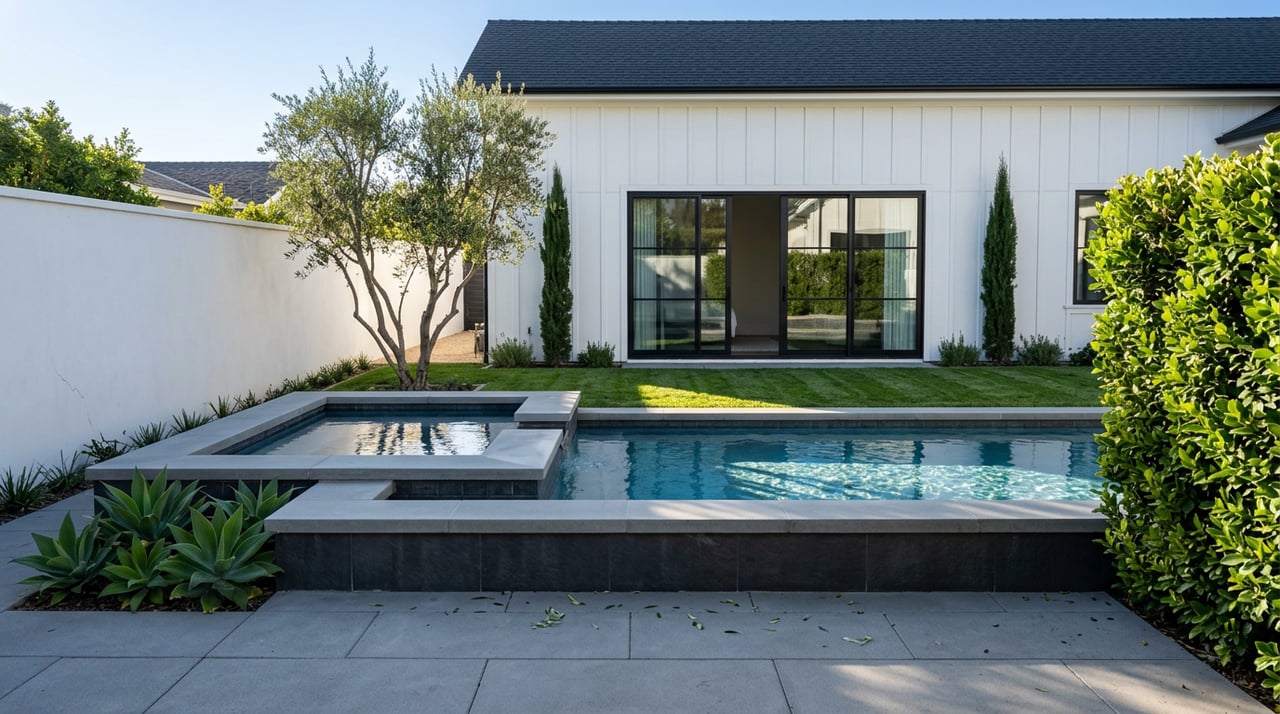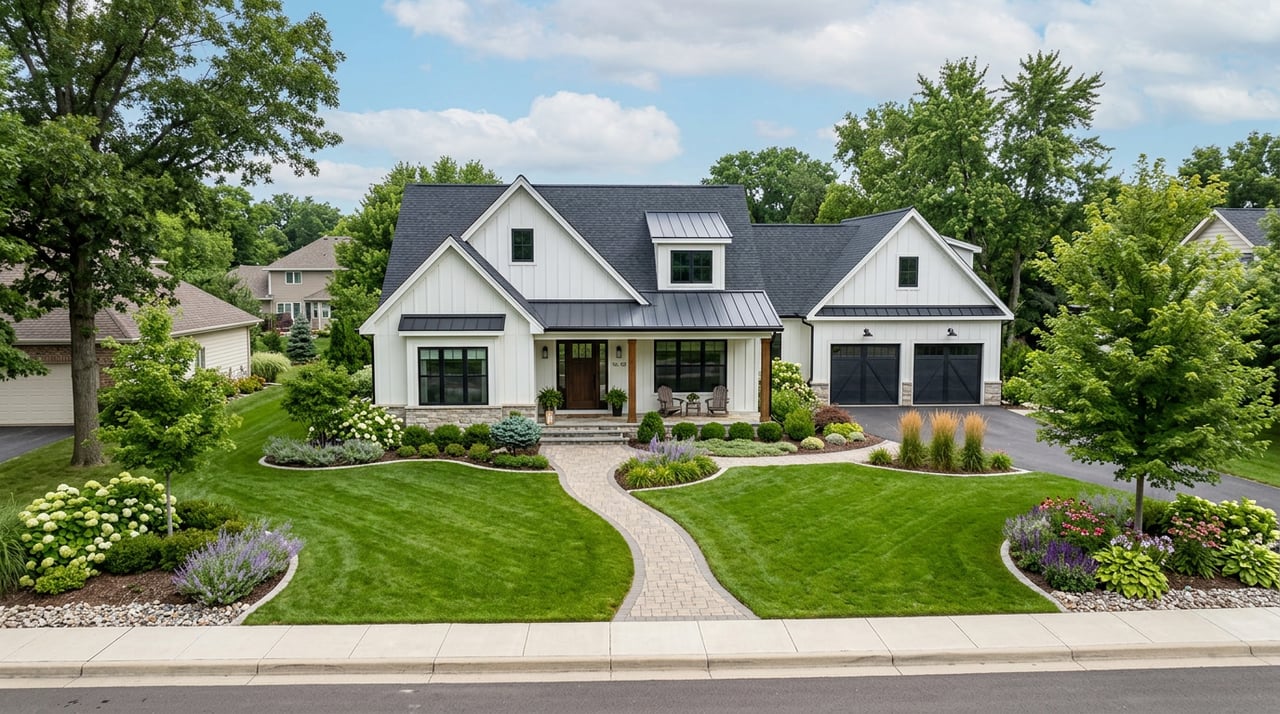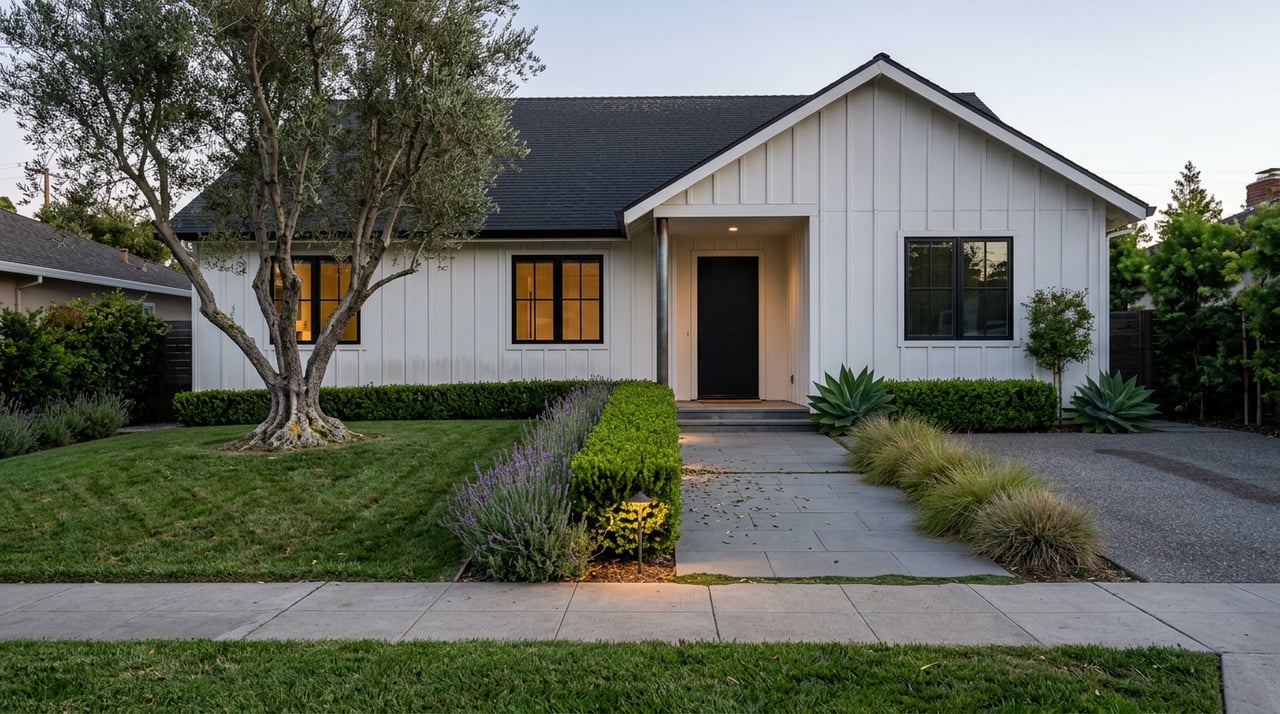
Two nearly identical houses list on the same stretch of Newport Harbor this year. Same square footage, same finish level, same slip visible in the listing photos. One goes under contract in under three weeks. The other sits for months, gets a price cut, and eventually comes off the market. Ask most buyers what separates a fast Newport Beach waterfront sale from a stalled one and they'll point to the house. That's usually the wrong place to look.
What actually separates two otherwise identical bayfront properties in Newport Beach is what sits in the water behind them, and increasingly, whether the paperwork attached to that water is worth what the seller thinks it's worth. In 2026, that paperwork is under more scrutiny than it has faced in decades.
You're Not Buying the Water. You're Leasing the Right to Use It.
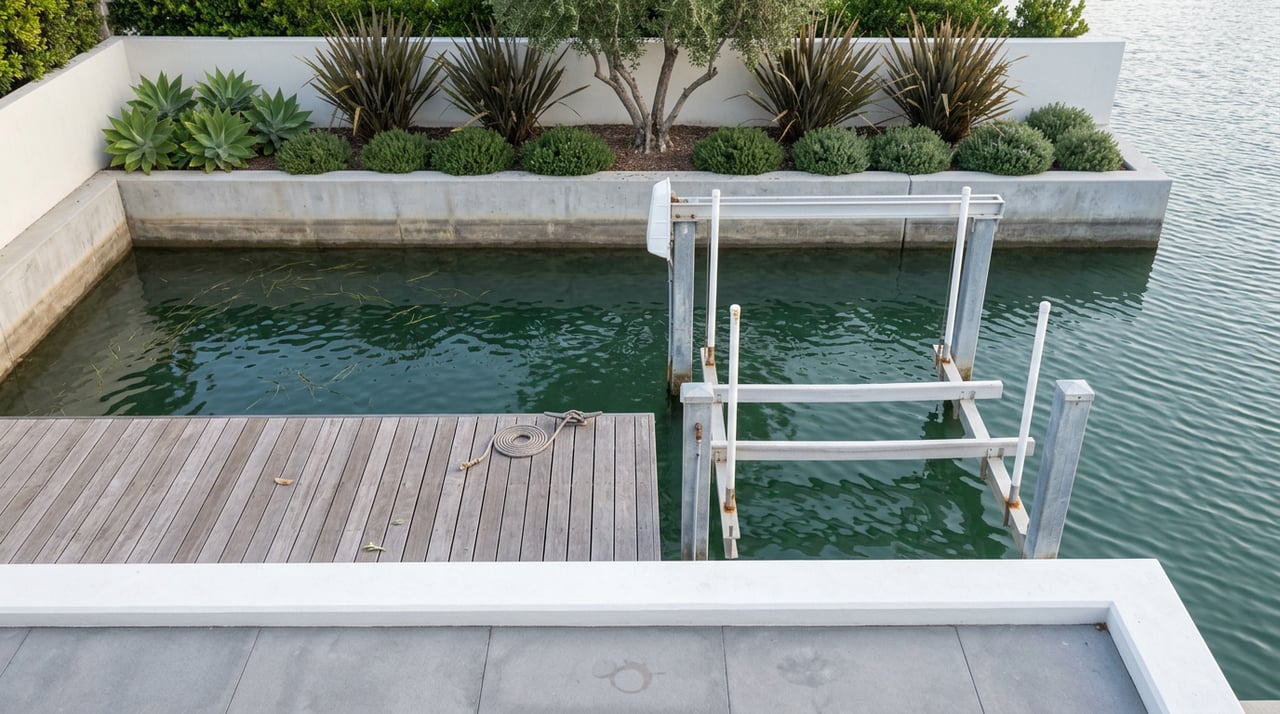
Most of the land under Newport Harbor is not city property. It's tideland held in trust for the State of California, with the City of Newport Beach acting as trustee under the Beacon Bay Bill of 1978. When a bayfront home changes hands, the buyer doesn't acquire the water or, strictly speaking, the dock. They acquire a pier permit: a document issued to the owner of the abutting property for a term of up to ten years, governed by the city's harbor code.
That distinction sounds academic until you're the one signing closing documents. A pier permit attaches to the person and the parcel, not to the physical dock as a standalone asset. When a home sells, the permit has to be formally transferred, not assumed. Under the city's own process, that means a transfer application with signatures from both buyer and seller due at close of escrow, a city inspection of the pier, and a turnaround of five to 15 business days before the transfer is complete.
Skip that step, or assume it happens automatically because the dock is sitting there in the water, and you can close on a house with a pier you're not yet legally permitted to use.
Two Lines Set by Congress Decide How Much Boat You Get
The harbor lines in Lower Newport Bay, the bulkhead line and the pierhead line, were established by an act of the United States Congress and can only be changed by another act of Congress. The distance between those two lines is what determines how far a pier can extend and how large a vessel a property can actually berth. A lot with 40 feet of clearance and a lot with 75 feet of clearance are not comparable assets, even if the houses on top of them are identical and the frontage on paper looks the same.
This is why square footage alone has never told the full story on Newport Harbor. The number that actually predicts what a boat owner can do with the property is buried in a harbor survey, not the MLS listing sheet.
Why the Same Street Produces Million Dollar Swings
Balboa Island illustrates the pattern at its most concentrated. Homes on the South Bay Front consistently command a premium over the North Bay Front, largely because of sunset views, sightlines to historic harbor buildings, and heavier foot traffic along the sidewalk between Agate Avenue and Marine Avenue. North Bay Front trades some of that premium for quieter mornings, sunrise light, and proximity to Ruby Beach, the island's designated swim area where boat moorings aren't permitted. The Little Island, part of Balboa Island's East Bay Front, carries its own premium, tied to a more central position in the harbor that shortens a boater's commute in and out and to its walk to Marine Avenue.
That same logic scales up across the whole city. Citywide data from August 2026 shows the split clearly: 163 active single-family listings carried a median asking price near $6.9 million, while the 231 single-family homes that actually closed over the prior six months carried a median sale price of $4.47 million. That gap, roughly $2.4 million between what sellers are asking and what buyers are paying, is one of the widest tracked in any Orange County market this report covers. Homes priced around $4.5 million were moving in under three weeks. Homes priced at $7 million and above were sitting for months or not selling at all. Forty five listings expired at a median asking price of $7.89 million after a median of 105 days on market, and another 92 were canceled at a median of $6.225 million after 60 days. That's 137 sellers who came off the market without a sale, nearly 60 percent of the number of homes that actually closed.
Some of that gap is ordinary overpricing. But on the waterfront specifically, a meaningful share of it traces back to sellers pricing the story, the address, the view, without accounting for the specific mechanics buried in the harbor file: the size of the permitted pier, the current annual rent, and whether that rent is about to change.
The State Just Told the City It's Been Underpricing the Water
In December 2025, the California State Lands Commission completed a management review of how Newport Beach handles its tidelands obligations. Its central finding was direct: the city has not been charging fair market rent for residential piers sitting over public tidelands. The Commission directed the city to commission new independent appraisals of residential pier leases, reconsider how pier rental area is calculated, review whether subleased piers should be billed at commercial rates, and end the long-standing practice of private mooring permit sales.
That last point has teeth. State officials found that a typical 40-foot offshore mooring permit privately resells for $40,000 to $60,000 in Newport Harbor, even though the permit is legally a revocable grant from the city, not a piece of property the holder is entitled to sell. Regulators flagged that private resale market as a likely violation of the city's tideland grant obligations and the Public Trust Doctrine.
The city's own timeline for what happens next runs through new independent appraisals conducted in 2026, a series of public meetings on the issue that began May 27, 2026 at the OASIS Senior Center in Corona del Mar, and a comprehensive policy package for the City Council to consider in 2027. City officials have been explicit that no rate increases or transfer restrictions take effect without Council approval and public notice first. Nothing is decided yet.
That wasn't the first fee increase harbor users have absorbed. In July 2025, the City Council moved to raise annual mooring permit fees by 10 percent, the second such increase in two years, following 14 years with no fee changes at all. According to Newport Beach's harbormaster, roughly 16,000 people, split evenly between residents and non-residents, were sitting on a 16 to 18 year waiting list for a private mooring permit as of 2025. That waitlist is itself a measure of how much scarcity value is already baked into a piece of paper that technically isn't for sale.
The Same Scarcity Logic Now Shows Up in Rental Permits Too
Waterfront docks aren't the only permits driving Newport Beach pricing. Short-term rental permits are capped citywide at roughly 1,475 to 1,550 active permits, and the scarcity isn't spread evenly. As of early 2026, Lido Isle had only four active short-term rental permits on the entire island, clustered on a handful of streets. A property with an existing, transferable rental permit in a capped zone can command a real premium over an identical property without one, for the same underlying reason a dock does: the permit, not the house, is the limited resource.
What to Actually Do If You're Comparing Newport Beach Waterfront This Year
A few habits separate buyers who close smoothly from buyers who discover a problem during escrow.
- Ask the seller for their current annual pier rent in writing, and treat it as a number likely to rise rather than a fixed carrying cost.
- Confirm the actual distance between the bulkhead and pierhead lines before assuming a dock fits the boat you plan to own.
- If subleasing a dock is part of your plan, know that use is explicitly part of what the state review is examining right now.
- Build in five to 15 business days for the formal pier permit transfer, plus a city inspection, rather than assuming the dock is usable the day you close.
- If short-term rental income factors into your decision, confirm permit status and transferability directly with the city before writing an offer, not after.
Bayfront, Beachfront, or Inland: A Different Way to Weigh It
Bayfront living on Balboa Island or in neighborhoods like Bayshores means buying protected water and a dock that is legally a permit, subject to a fee structure the state and city are actively renegotiating. Beachfront living on the Balboa Peninsula or in Peninsula Point trades the dock for open ocean and sand, without the same tideland pier dependency, though still inside the city's broader coastal permitting process. Inland communities like Newport Coast and Big Canyon trade water access entirely for larger lots, gates, and elevation, and in doing so, they sidestep the harbor permit question altogether. For a buyer who values predictability over boat access, that's become a real point in inland's favor this year, not just a consolation prize.
Frequently Asked Questions
Does a Newport Beach pier permit automatically transfer when a home sells? No. It requires a formal application to the city's Public Works Department, signatures from both buyer and seller due at close of escrow, a transfer fee, and a pier inspection, with a five to 15 business day turnaround.
Can I add a new dock on Balboa Island if the house doesn't currently have one? New noncommercial piers on Balboa Island require Harbor Commission approval and are not routinely granted. An existing permitted pier should be treated as a scarce asset, not something you can plan to add later.
Are Newport Beach pier fees actually going up? Possibly, but nothing is finalized. Following the state's December 2025 findings, the city is conducting new independent appraisals through 2026 with a policy package expected for City Council consideration in 2027. Any changes require Council approval and public notice before taking effect.
Waterfront value in Newport Beach has never been just about the house, and in 2026 it's less about the house than ever. If you're comparing bayfront, beachfront, and inland options and want someone who reads the permit file as closely as the floor plan, the team at Charlie Price Group can walk you through what a specific property's dock, pier, and rental permit status actually mean before you write an offer. Reach out to receive exclusive listings and the neighborhood intelligence to go with them.