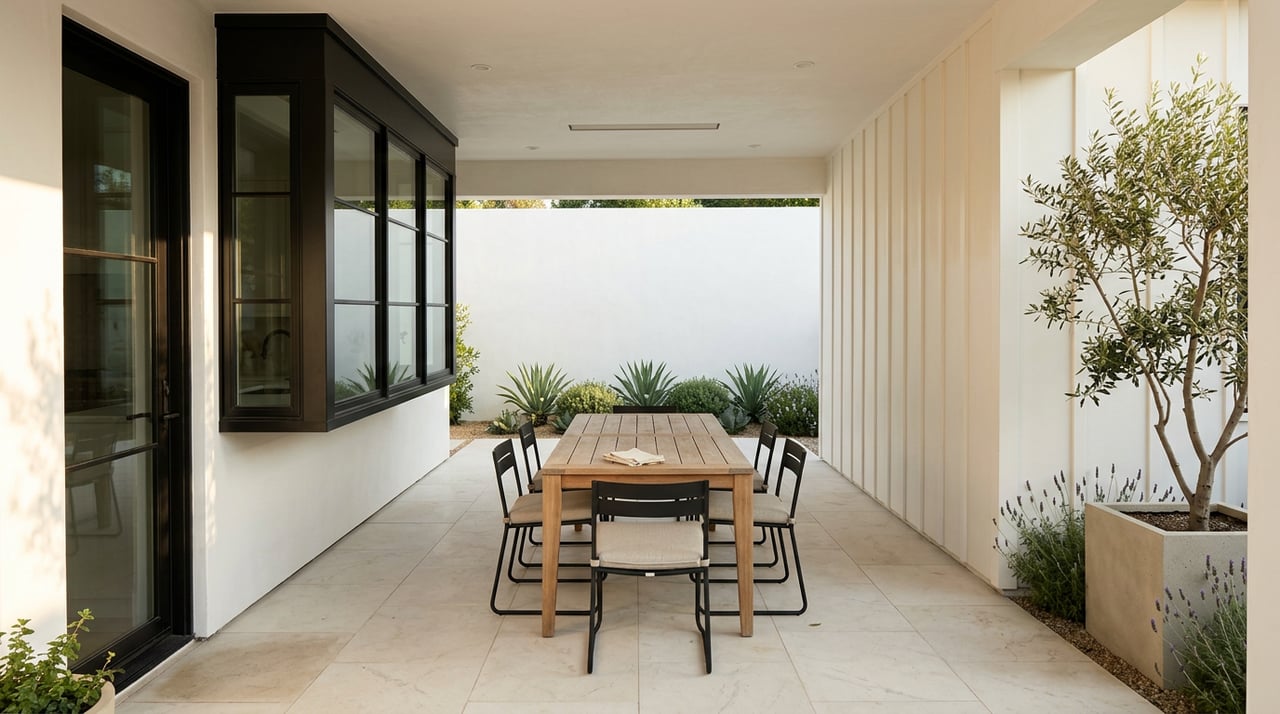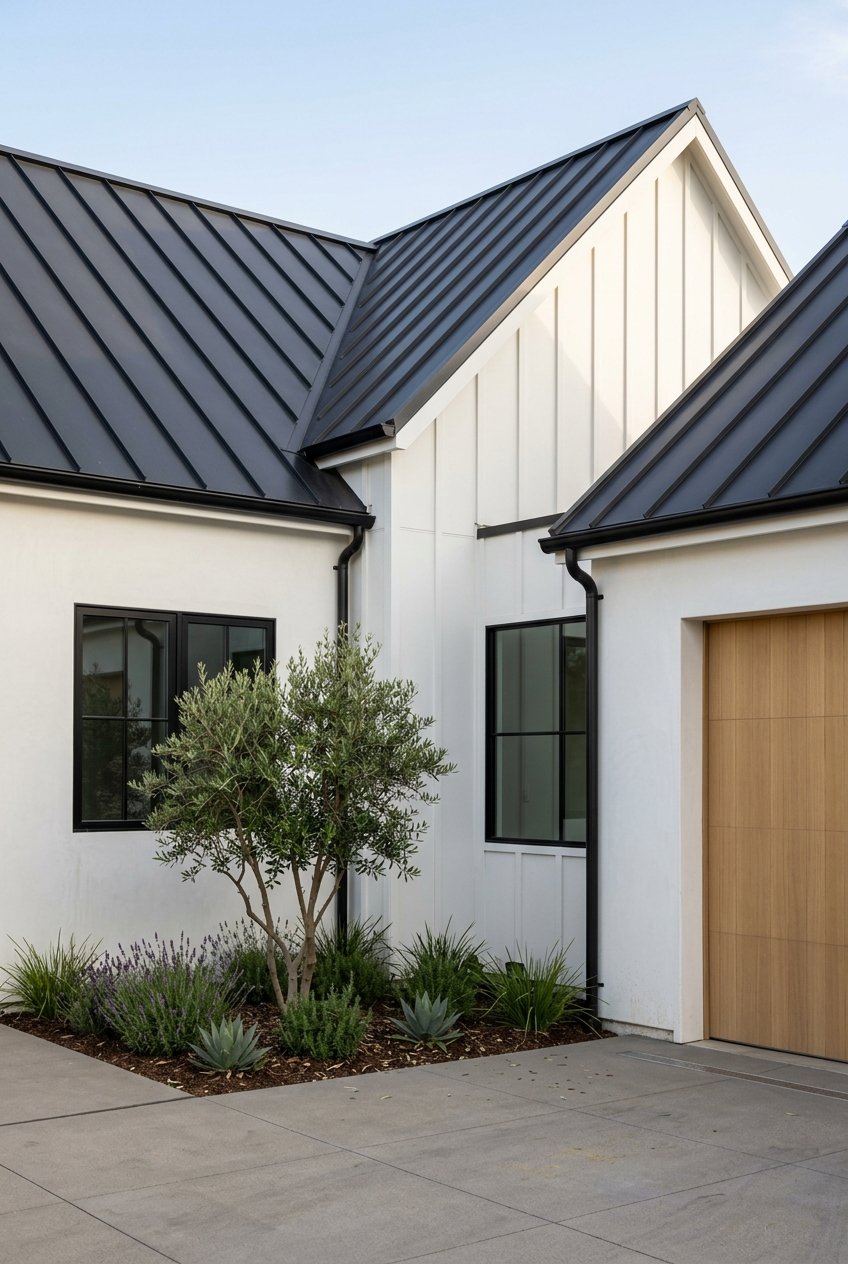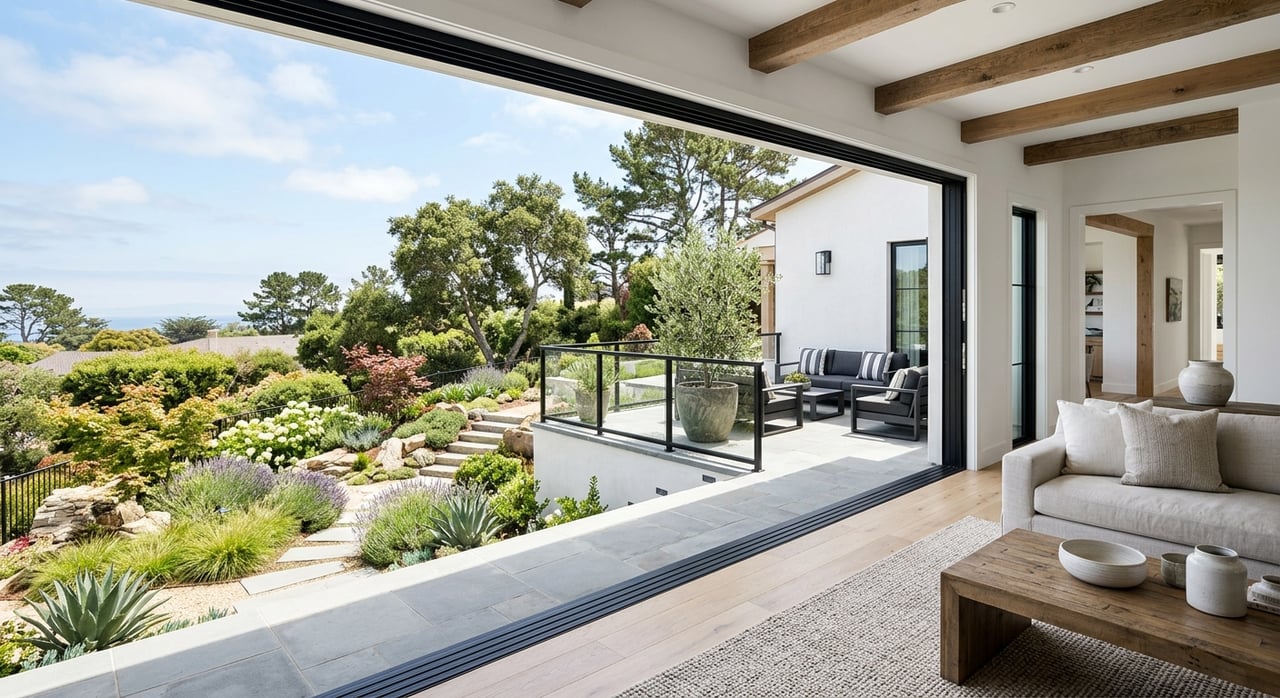
Buying in Corona del Mar is not just about finding the right house. It is also about understanding what the lot can support, what the view is likely to do over time, and how local coastal rules shape both. If you are comparing properties here, a beautiful photo alone is not enough. You need to know how bluff position, setbacks, height rules, and neighboring build potential can affect long-term value. Let’s dive in.
Why lots and views matter here
Corona del Mar has a very specific coastal setting. The area sits on a coastal platform roughly 95 to 100 feet above sea level, and Newport Beach treats its bluffs, bluff tops, and bluff faces as significant scenic resources.
That matters because lot value here is often tied to more than square footage. On certain streets, especially near the bluff edge, parcel position can have a major impact on privacy, buildability, and view durability.
The local review process also reflects that reality. Even though Newport Beach adopted its 2050 General Plan in 2026, coastal parcels in Corona del Mar still need to be evaluated under the city’s certified Local Coastal Program and related zoning standards.
Start with the regulatory envelope
Before you fall in love with a lot, confirm what can actually be built on it. In Corona del Mar, residential coastal districts include R-A, R-1, R-BI, R-2, and RM, and the single-unit standards include a 1.5 floor-area limit.
Setback maps may also control where the building area differs from default setbacks. On the bluff side of Ocean Boulevard, the maximum height cannot exceed the curb elevation adjacent to the lot, which can materially change what a future remodel or rebuild looks like.
Some parcels also fall within the Bluff overlay district. That overlay adds another layer of standards beyond the base zoning.
For bluff-top lots subject to marine erosion, the city’s coastal plan calls for a 25-foot setback from the bluff edge for principal structures and major accessory structures, plus a 10-foot setback for accessory structures. On bluffs not subject to marine erosion, setbacks generally follow the predominant line of existing development, with the city able to increase them for safety and stability.
Know whether permits add complexity
In the coastal zone, lot potential is not just a design question. It is also a permitting question.
New development or expansion may require a coastal development permit. In most certified Local Coastal Program areas, Newport Beach handles that review locally, while the California Coastal Commission keeps original jurisdiction over certain tidelands, submerged lands, and public trust lands and has appeal authority in specified areas.
Even when an extra coastal permit is not required, standard building, plan-check, and inspection review still applies. Some projects may also need review from outside agencies, so it is smart to understand that timeline before you close.
Evaluate the practical buildable area
Two Corona del Mar lots can have the same size on paper and very different real-world potential. That is why you want to focus on the practical buildable pad, not just the assessor’s square footage.
Orientation is a big part of that analysis. It affects how a home captures light, wind, privacy, and outdoor living, and it helps determine whether the street side or the view side becomes the more functional exterior space.
Newport Beach’s property development standards are designed to preserve natural light, ventilation, privacy, access, landscaping, recreation, visibility, and safety. In practical terms, that means lot layout can shape daily livability as much as architecture does.
Check how slope affects height
Slope changes how structure height is measured. On lots with a slope of five percent or less, height is measured from the average of the four corner elevations.
On steeper lots, the city uses five evenly spaced points along each side property line. That can create very different outcomes for apparent massing, upper-level privacy, and what a future buyer or neighbor may be able to build.
Study nearby building patterns
Lot analysis should always include the homes around it. Newport Beach considers compatibility with the height, bulk, scale, and frontages of surrounding development during review.
That means nearby second stories, additions, and massing changes are not separate issues. They are part of understanding how your lot fits into its setting and whether your current view and privacy conditions are likely to change.
Understand bluff-lot considerations
Bluff parcels deserve extra scrutiny in Corona del Mar. On these sites, the city’s coastal policies encourage using the flattest part of the lot, existing driveways and building pads, shared driveways where feasible, and building forms that follow the natural contours of the land.
Those details can affect grading costs, access, site design, and how much of the view corridor remains open. On bluff-face properties, the coastal plan is especially protective of public coastal views.
For principal structures on bluff faces along Ocean Boulevard, Carnation Avenue, and Pacific Drive, the plan says development should follow the predominant line of existing development to help protect those views. The plan also requires slope-stability analyses and erosion-rate estimates for new development in these areas.
Evaluate whether a view is durable
Not all views carry the same long-term value. A dramatic view today may be less secure if it depends on a neighboring lot that still has room to expand.
In contrast, a view that is supported by topography, setbacks, or recorded protections is often more durable. Research on housing markets consistently shows that scenic and water views can be reflected in sale prices, but in a place like Corona del Mar, the more important question is whether that view is likely to hold.
Look for public view protections
Newport Beach requires an initial review for projects that could affect a public viewshed in several coastal situations. That includes sites between the first public roadway and the coast, on a coastal bluff or canyon, adjacent to a public viewpoint, coastal view road, park, beach, public accessway, or on a site with significant natural landforms.
If a project may significantly affect views, the applicant must prepare a view impact analysis. The city can also require deed restrictions or public view protection easements, and it may reduce landscaping or fence height when needed to protect public coastal views or access.
That means view protection can be a documentation issue as much as a design issue. A buyer should not assume that a clear sightline is protected unless the record and regulations support that conclusion.
Review encroachment limits near the ocean
Oceanfront improvements are also tightly controlled. Newport Beach’s oceanfront encroachment policy limits what can extend oceanward, prohibits many new encroachments without a permit, and ties some permissions to public access obligations.
For buyers, that reinforces an important point. Coastal frontage may feel expansive, but the rules governing improvements can be very narrow.
A smart due diligence checklist
If you are comparing lots or view properties in Corona del Mar, keep your review focused on what is measurable and documented.
- Confirm the zoning district, setback map, overlay district, height limit, and floor-area limit.
- Verify whether the property may require a coastal development permit, geotechnical review, or other approvals.
- Review the survey, easements, and recorded rights that may affect access, buildability, or view protection.
- Compare the practical building pad, not just lot size.
- Study slope, driveway access, and whether the site follows natural contours or may require more grading.
- Evaluate neighboring building envelopes and likely future improvements.
- Ask whether the current view is protected by topography, setbacks, or recorded restrictions rather than by chance.
What this means for buyers in Corona del Mar
The best lot is not always the biggest one or the one with the most dramatic listing photos. In Corona del Mar, value often comes from how well a parcel balances scenery, privacy, usable building area, and a realistic path through coastal review.
A strong purchase decision usually comes from reading the lot as carefully as you read the home. When you understand the zoning envelope, bluff conditions, slope, and view protections up front, you can buy with more confidence and fewer surprises.
If you are evaluating a view property, bluff parcel, or redevelopment opportunity in Corona del Mar, Charlie Price Group can help you assess the lot, the surrounding context, and the practical factors that shape long-term value.
FAQs
How do you evaluate a lot in Corona del Mar before buying?
- Start by confirming zoning, setbacks, overlay districts, height limits, floor-area limits, slope conditions, and whether coastal or geotechnical review may apply.
How secure is a view from a Corona del Mar property?
- A view is generally more durable when it is supported by topography, required setbacks, or recorded protections rather than relying on an adjacent lot remaining unchanged.
Do bluff lots in Corona del Mar have special rules?
- Yes. Bluff lots may be subject to overlay standards, larger bluff-edge setbacks, slope-stability review, and added protections for public coastal views.
Can two Corona del Mar lots with the same size build very differently?
- Yes. Slope, setback maps, height measurement rules, access geometry, and surrounding development patterns can create very different build outcomes on similarly sized lots.
Do you need a coastal permit for a remodel or rebuild in Corona del Mar?
- Some projects in the coastal zone may require a coastal development permit, while others still need standard city building, plan-check, and inspection review even if no added coastal permit applies.