If you are torn between a waterfront home and a view home in Newport Beach, you are asking the right question. These two property types can deliver very different day-to-day experiences, ownership demands, and long-term trade-offs, even when both feel unmistakably coastal. This guide will help you compare lifestyle, maintenance, risk, and resale considerations so you can choose with more clarity and confidence. Let’s dive in.
Why the choice feels so different
Newport Beach is not one uniform coastline. The city identifies broad low-elevation areas such as West Newport, Balboa Peninsula, and Newport Bay, elevated marine terrace areas like Newport Heights and Westcliff, and higher-relief terrain in the eastern part of the city, including Newport Ridge and Newport Coast.
That matters because a waterfront home and a view home often sit in different micro-markets. In practical terms, you are not just choosing between water access and scenery. You are also choosing between different ownership patterns, planning considerations, and exposure to coastal conditions.
Waterfront homes in Newport Beach
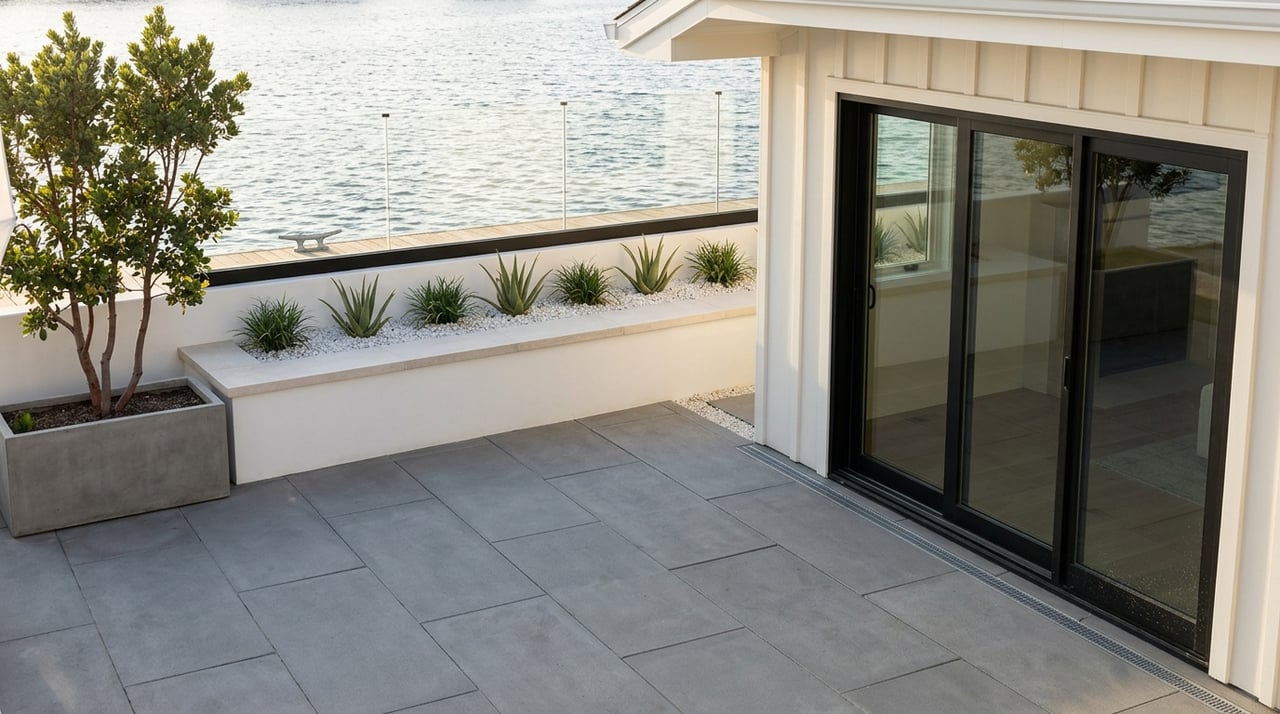
A true waterfront home is usually about immediate access. You may be steps from the bay, harbor, or ocean, with the ability to enjoy the setting in a direct, hands-on way that a view property usually cannot match.
For many buyers, that is the whole point. If you want to launch into a boating lifestyle, entertain near the water, or prioritize the feel of living right at the edge of Newport Harbor, waterfront ownership can be hard to replace.
Waterfront lifestyle advantages
Newport Harbor supports an active boating environment. According to the city’s coastal planning documents, Newport Beach has more than 1,200 bay moorings, 16 marinas with more than 2,100 slips, and multiple public docks on both Balboa Peninsula and Balboa Island.
That infrastructure makes the harbor lifestyle unusually accessible. If you boat often, living on or near the water can reduce the effort it takes to use your vessel regularly, host guests, or enjoy casual time on the bay.
Waterfront ownership can be more involved
The trade-off is that waterfront ownership can come with more moving parts. Harbor living is supported by rules as well as amenities, and the city manages mooring use, pump-out access, and harbor operations through specific requirements.
If a property includes a dock or pier, the transaction can also be more complex. The city says pier-permit transfers require buyer and seller information, signatures at close of escrow, an inspection process, and compliance with city criteria and municipal code requirements.
Oceanfront details matter
If you are considering direct oceanfront ownership, even exterior improvements may require extra review. Newport Beach allows certain oceanfront encroachments only by permit, charges an annual fee for permitted improvements, and limits where and what can be improved in the public right-of-way area.
That does not make oceanfront ownership a poor choice. It simply means you should go in understanding that future hardscape or exterior plans may involve more review than you would expect at an inland property.
View homes in Newport Beach
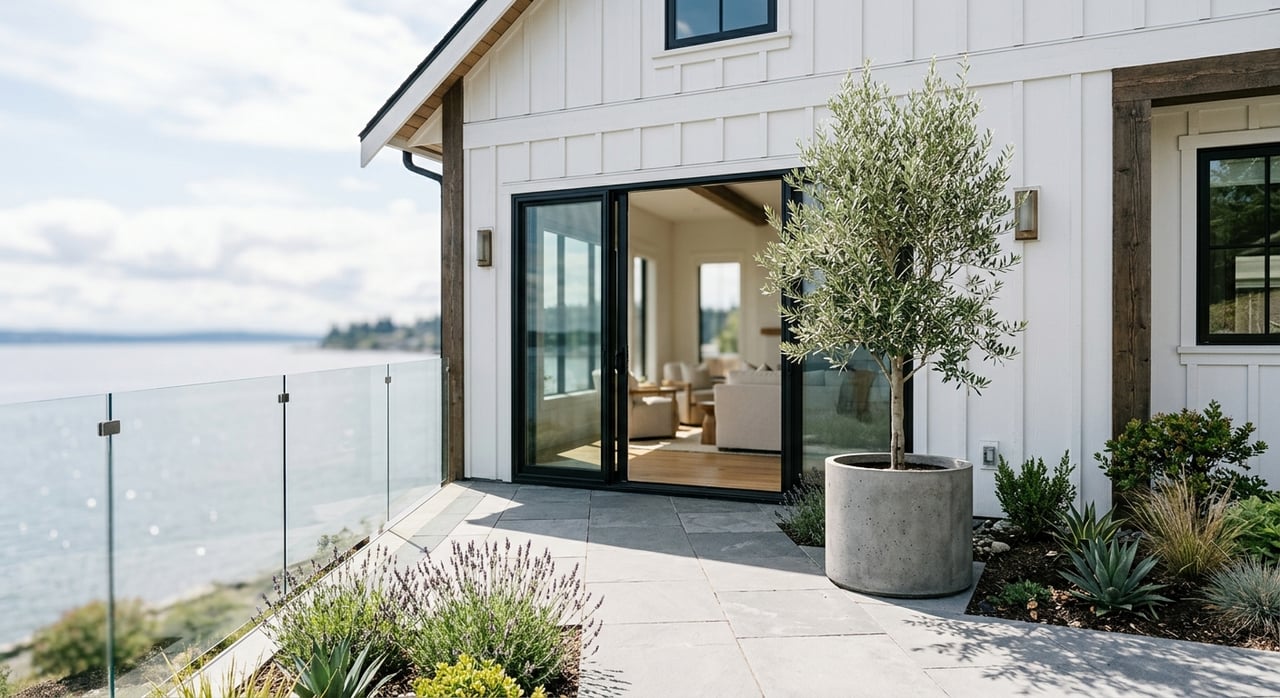
A view home offers a different kind of coastal ownership. Instead of direct water contact, you get the visual payoff of ocean, bay, harbor, or bluff outlooks, often from higher ground with a stronger sense of separation and privacy.
For many buyers, that is the sweet spot. You still enjoy Newport Beach’s scenery and atmosphere, but you may avoid some of the daily logistics that can come with living directly on the water.
Why view homes appeal to many buyers
View homes often fit buyers who want the setting without needing boating access or guest dock use. You may value broader panoramas, more elevated sitelines, and a layout that supports quiet enjoyment over active waterfront use.
Newport Beach also places a high value on scenic qualities and public coastal views. The city’s Coastal Land Use Plan includes policies that protect views to and along the ocean, bay, harbor, and coastal bluffs, and in some cases can require view easements or corridors.
Views are valuable, but not automatic
A view is never just about the house itself. In Newport Beach, neighboring development, landscaping, topography, and local planning rules can all affect how a view is experienced over time.
That is why due diligence matters here too. A sweeping outlook today may still depend on the physical relationship between the property, adjacent lots, and the city’s planning framework.
Risk is not the same as location prestige
One of the biggest mistakes buyers make is assuming waterfront means higher risk and view home means lower risk. In Newport Beach, the picture is more nuanced.
The city says flood hazard areas are subject to periodic inundation and are managed through zoning, building standards, public works requirements, and floodplain rules. It also provides FEMA map tools, elevation certificate resources, and substantial-improvement documentation that can affect future remodel plans.
Waterfront flood and sea-level considerations
Newport Beach’s resilience analysis says the city faces coastal flooding and erosion challenges. It projects about 0.8 feet of sea-level rise by 2030, 1.6 feet by 2050, and 4.1 to 4.9 feet by 2100 under the studied scenarios.
The same analysis says flooding during an average storm is expected to be most widespread in Newport Harbor and Newport Bay. It also notes that even relatively modest sea-level rise can affect areas including Balboa Island, Balboa Peninsula, harbor islands, Mariner’s Mile, and parts of Corona del Mar beaches.
View homes have their own hazards
Higher ground does not mean risk-free ownership. The city’s resilience work says Corona del Mar and Newport Coast experience cliff erosion, and coastal bluff conditions can be affected by sea-level rise and erosion pressures.
So if you are buying for elevation and outlook, you still need to understand site conditions. Bluff stability, retaining walls, and geologic factors may matter just as much to your future plans as flood-zone status matters for a bayfront property.
How to decide based on your lifestyle
The clearest way to decide is to start with how you actually want to live. The best property is rarely the one that sounds most impressive. It is the one that fits your routine, priorities, and tolerance for complexity.
Choose waterfront if you want:
- Immediate water access
- A true boating or harbor-centered lifestyle
- Easier guest dock or vessel use, where available
- Daily interaction with the bay, harbor, or ocean
- A property that supports active outdoor waterfront living
Choose a view home if you want:
- Wide coastal panoramas from an elevated setting
- More privacy and separation from waterfront activity
- A simpler ownership experience with fewer marine-related issues
- Scenic value without needing direct dock or boating access
- A home that feels more flexible for everyday residential use
Think about future plans too
Your choice should work not just for today, but for the way you expect to use the property over time. If you may remodel, expand, or make exterior improvements, the property’s location and regulatory context matter.
For waterfront homes, that may mean confirming dock or pier permits, reviewing any oceanfront encroachment agreement, and understanding floodplain requirements. For elevated or bluff-side view homes, it may mean asking how bluff, retaining-wall, or substantial-improvement rules could affect future work.
Resale may favor different buyer pools
There is also a resale lens to consider. Waterfront homes often attract buyers with very specific priorities, especially those who place a premium on immediate boating access or direct contact with the water.
That can be powerful, but it may also mean a more specialized buyer pool. View homes often appeal to a broader set of luxury buyers because they offer scenery and coastal identity with fewer marine permits and, in many cases, more flexible day-to-day use.
Neither is universally better. The stronger choice depends on whether you want a highly specialized lifestyle property or a home with broader lifestyle appeal.
A smart due diligence checklist
Before you move forward on either type of home, it helps to review a few key items early in the process.
- Confirm the property’s FEMA flood zone
- Ask for any elevation certificate or FIRM determination
- Verify dock or pier permits if applicable
- Review any oceanfront encroachment agreement if applicable
- Ask whether bluff, retaining-wall, or substantial-improvement rules could affect remodel plans
- Understand any city review that may apply to exterior improvements
These checks can help you compare homes more accurately. They also reduce the chances of learning something important after you are already emotionally committed.
The bottom line for Newport Beach buyers
If boating access, direct water use, and a harbor-centered lifestyle are at the top of your list, a waterfront home may be the right fit. If privacy, a lower-maintenance ownership pattern, and expansive ocean, bay, or harbor outlooks matter more, a view home may serve you better.
In Newport Beach, this decision is rarely just about aesthetics. It is about matching the property to how you live, what you value, and how much complexity you want to manage over time.
When you are weighing a waterfront home against a view property, local context matters. The team at Charlie Price Group brings tailored Newport Beach guidance, curated property access, and the discretion high-value coastal purchases deserve.
FAQs
What is the main difference between a waterfront home and a view home in Newport Beach?
- A waterfront home prioritizes direct access to the bay, harbor, or ocean, while a view home prioritizes elevated scenery and a more removed ownership experience.
Are waterfront homes in Newport Beach better for boat owners?
- Often, yes. Newport Harbor’s extensive moorings, marinas, and docks support regular boating use, which can make waterfront living especially practical for buyers who spend a lot of time on the water.
Are view homes in Newport Beach less risky than waterfront homes?
- Not always. Waterfront homes may face more flood-related concerns, but some elevated and bluff-area properties can face erosion, stability, or retaining-wall considerations.
What should buyers verify before buying a Newport Beach waterfront home?
- Buyers should confirm flood-zone information, ask for any elevation certificate or FIRM determination, and verify dock, pier, or oceanfront encroachment documentation when applicable.
Do Newport Beach view homes have any protection for scenic outlooks?
- The city’s Coastal Land Use Plan includes policies intended to protect scenic qualities and certain public view corridors, but private views can still be affected by neighboring development, landscaping, and topography.
Which type of Newport Beach home may have broader resale appeal?
- In many cases, view homes may appeal to a wider range of buyers, while waterfront homes can attract a more specialized pool focused on direct water access and boating lifestyle benefits.