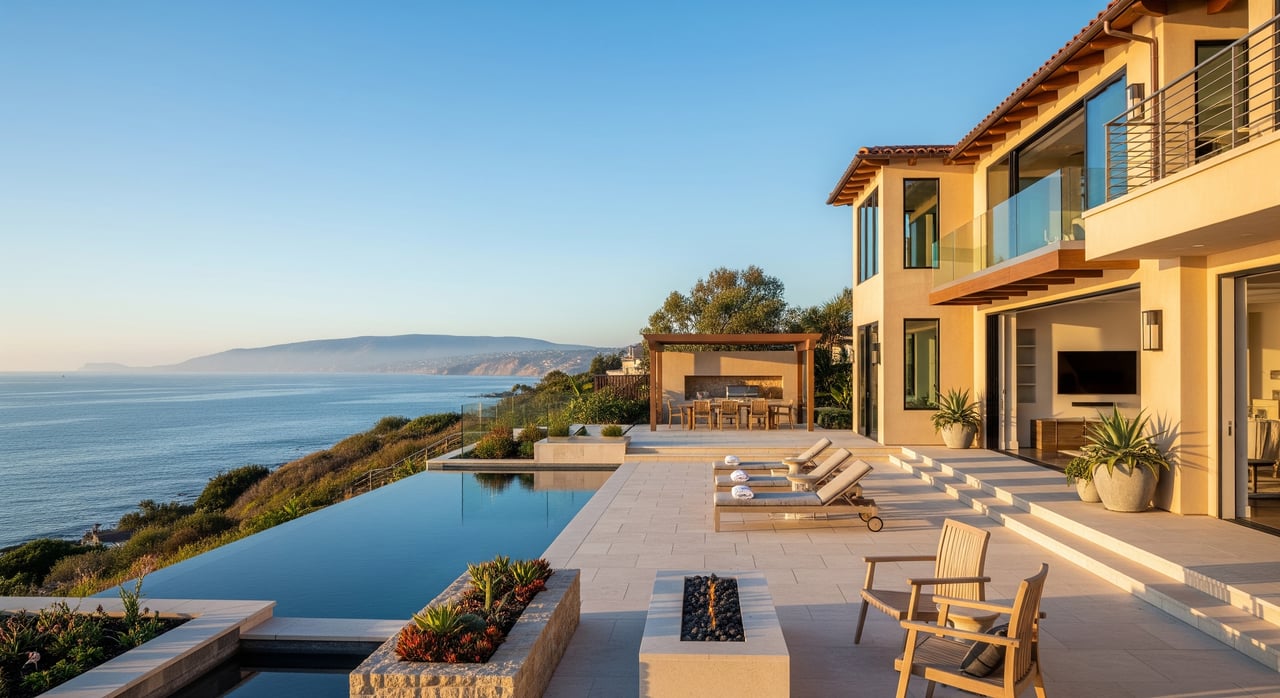
Imagine waking up to a pink-orange sunrise over the Pacific, coffee in hand, and a walking trail along the bluffs just minutes from your front door. If you’re considering a move to Newport Coast, you likely want that blend of ocean views, privacy, and easy access to the best of coastal Orange County. This guide gives you a clear picture of day-to-day life, from beaches and dining to commutes, homeownership costs, and key tradeoffs. By the end, you’ll know if Newport Coast fits your lifestyle goals and what to plan for next. Let’s dive in.
Newport Coast at a glance
Newport Coast sits within the City of Newport Beach along a stretch of hills, ridgelines, and bluffs above the ocean. The topography creates natural view corridors, so many homes look toward the coastline and Catalina on clear days. You’re directly north of Crystal Cove State Park and within a short drive of Newport Harbor and the broader Newport Beach coastline.
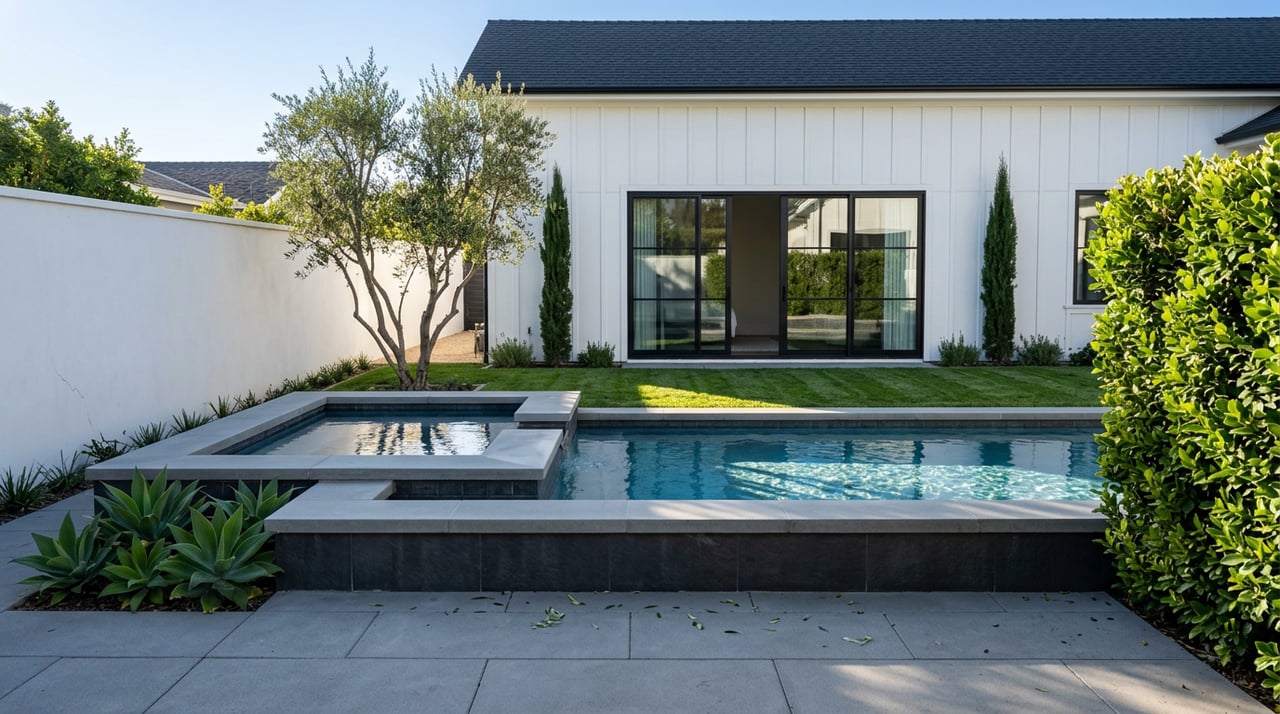
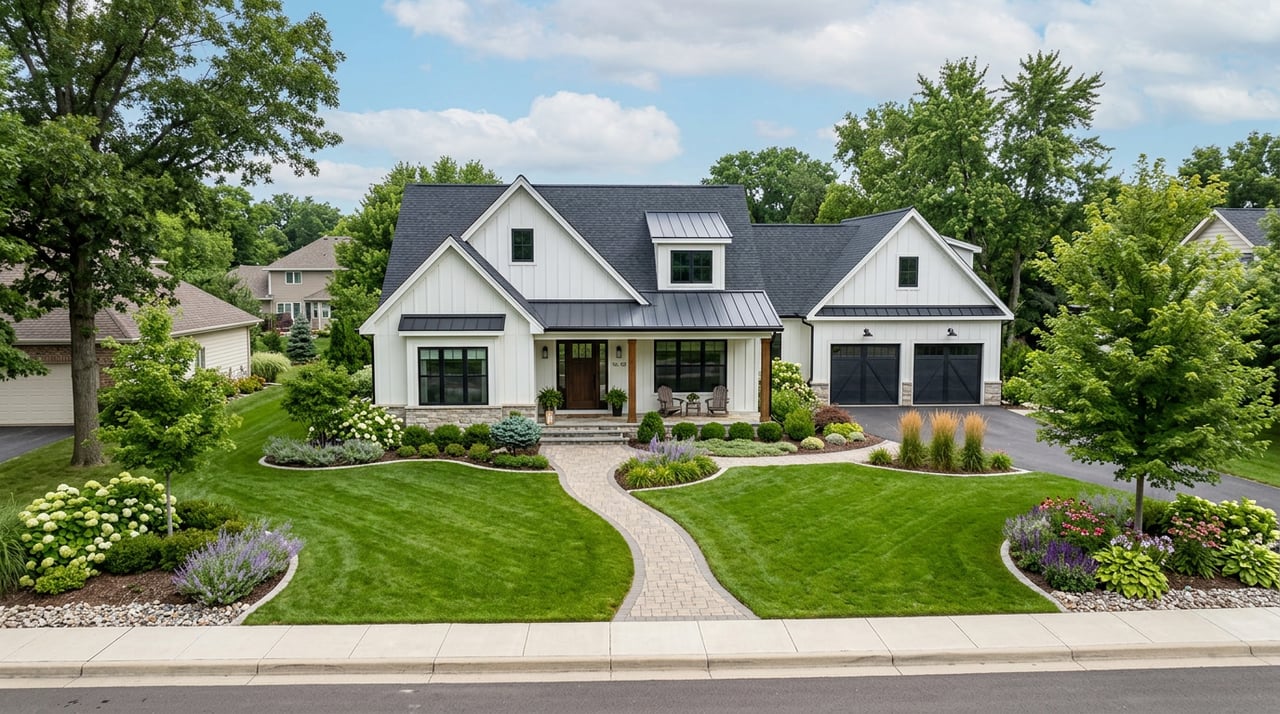
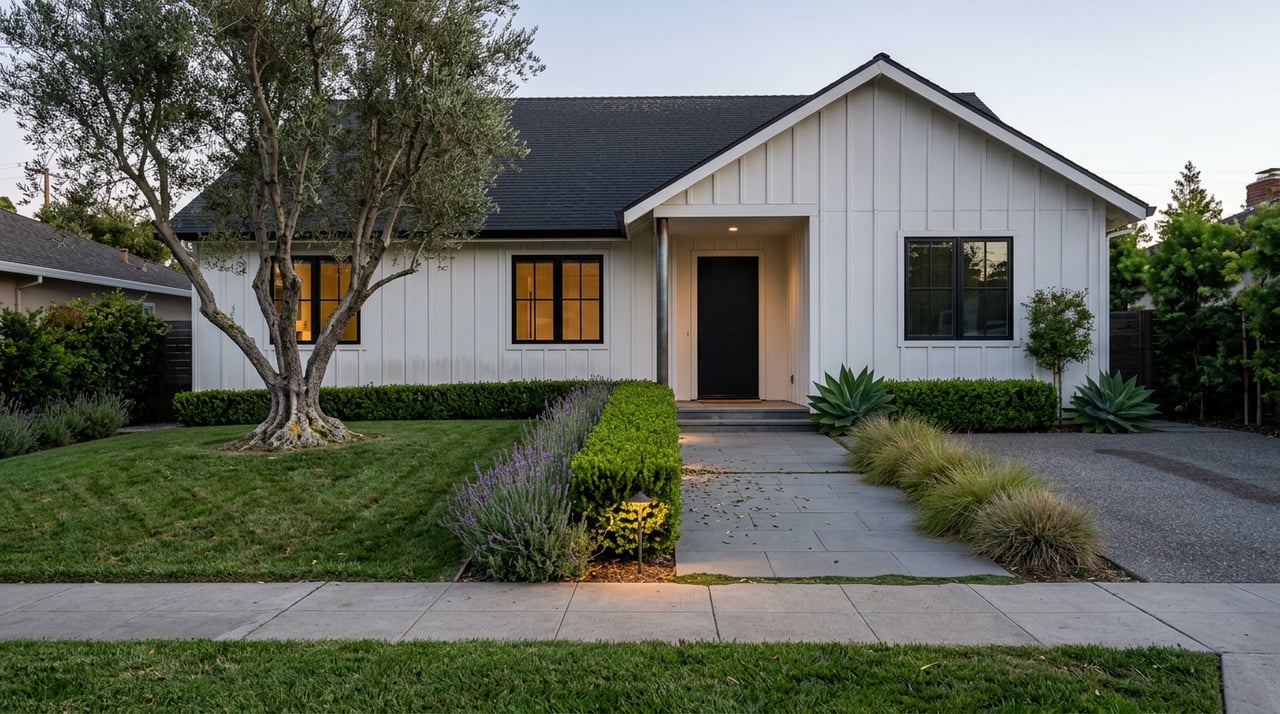
Neighborhoods here are primarily gated or have private streets, with a focus on privacy and architectural consistency. You’ll see custom estates, luxury single-family homes on larger lots, and elegant townhomes and condos in select communities. The feel is upscale and relaxed, with a resort-style tone near Pelican Hill.
Everyday living and amenities
Beaches and the outdoors
Crystal Cove State Park is a major lifestyle anchor. You get sandy beaches, tidepools, a historic cottage district, and miles of coastal trails for hiking and running. Many residents enjoy bluff-top and ridge paths for everyday walks and sunset views. The park’s open space adds a sense of breathing room that’s hard to find in denser coastal markets.
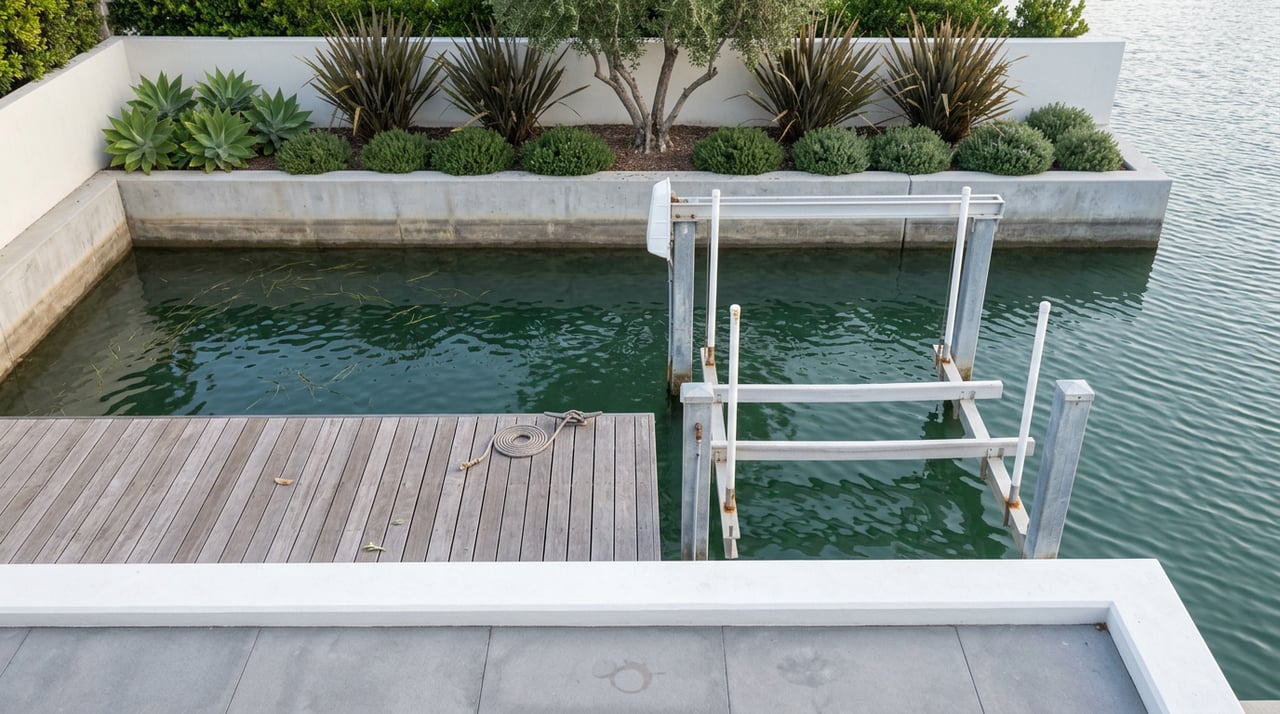
Golf is part of the scene. The Pelican Hill area brings championship golf, spa time, and dining close to home. If you’re into water sports, Newport Harbor and nearby marinas are a short drive away for boating, sailing, paddleboarding, and harbor cruises.
Dining, shopping, and culture
You have a deep bench of upscale dining and retail within minutes. Fashion Island offers luxury and boutique shopping plus a growing restaurant roster. Corona del Mar and Lido Marina Village round out the coastal dining experience with a relaxed, high-end vibe. South Coast Plaza in nearby Costa Mesa is a regional luxury shopping destination and easy to reach by car.
Culturally, the area leans toward galleries, seasonal community events, and an arts-forward scene in nearby Laguna Beach. Nightlife is generally refined and low-key rather than late-night.
Schools, healthcare, and services
Homes in Newport Coast are served by local public school districts with multiple private school options across the Newport Beach, Irvine, and Costa Mesa area. Because boundaries and offerings change, verify any specific address with district sites and individual schools.
Healthcare access is strong across Orange County, with hospitals and specialist clinics in close driving range, including facilities affiliated with well-known regional providers. Everyday services are streamlined. Many neighborhoods use HOA management for common areas, and you’ll find professional landscaping, pool care, and property maintenance teams widely available, which is helpful for second-home owners.
Getting around and commute
Driving is the norm. The San Joaquin Hills Toll Road, SR-73, gives you quick access to Irvine, Costa Mesa, and other employment hubs. The broader freeway network connects you to the I-5 corridor and points north and south. John Wayne Airport, SNA, is the nearest commercial airport and typically a short drive. Public transit exists through OCTA, but service is more limited than in dense urban cores, so most residents plan for car-based commutes.
Housing and ownership costs
Market character
Newport Coast is one of Orange County’s higher-priced coastal enclaves. Inventory often includes custom estates, trophy properties, and luxury condos. At the top end of the market, sales cycles and pricing can move with broader luxury trends, so it’s wise to review current neighborhood-level data before making decisions. Buyers are a mix of local-to-region households, second-home shoppers, and out-of-area purchasers seeking a Southern California coastal base.
Ongoing costs and HOA governance
Beyond the purchase price, plan for meaningful ongoing costs. Property taxes in Orange County are assessed based on home value, which translates to substantial tax bills for high-value properties. Many communities carry HOA or master association fees to maintain gates, roads, amenities, and landscaping. Add professional landscaping and pool care, along with higher insurance premiums common for coastal locations.
Community associations often have design guidelines and exterior standards. Before you write an offer, understand the CC&Rs, the design review process, and any planned assessments. It’s smart to evaluate reserve studies and maintenance schedules so you know what the association is planning long term.
Maintenance and environmental risk
Ocean proximity is part of the charm, and it also shapes maintenance. Salt air can accelerate corrosion of metal fixtures, railings, paint, and mechanical systems. Homes that use corrosion-resistant materials and proactive maintenance fare best.
Natural hazards to consider include wildfire exposure in hillside and canyon areas, bluff erosion and landslide potential on coastal cliffs, and the broader seismic risk that applies across Southern California. For bluff-top or near-shore properties, a geotechnical or soils report helps assess long-term stability. It also pays to get insurance quotes early, especially if your home sits near open space or the shoreline.
Taxes and resale planning
Property taxes follow county rules, and high assessed values mean notable annual taxes even at standard rates. For resale and cashflow planning, base your decisions on current sales, inventory, and days-on-market drawn from recent market reports and county records. Because the luxury segment can move differently from the broader market, a hyperlocal view is essential.
Is Newport Coast a fit?
Newport Coast tends to match buyers who want privacy, ocean views, and quick access to outdoor recreation. If you’re seeking a resort-style atmosphere with upscale dining and shopping within minutes, it’s a strong contender. Households that appreciate HOA stewardship and low-density neighborhoods often feel at home here. Second-home owners also value how easy it is to lock and leave with professional property care available.
Potential tradeoffs include premium purchase prices, higher ownership costs, and a car-forward lifestyle. Public transit is limited compared with major cities. You’ll also want to plan for coastal maintenance, from salt-air wear to wildfire readiness in canyon-adjacent areas. Nightlife is lighter and more refined, which appeals to many but is different from energy-heavy urban cores.
A day in the life
Start with a morning hike along a ridge trail and watch the ocean shift colors as the sun rises. Drop into Fashion Island or Corona del Mar for a coffee meeting, then swing by the harbor to check on a boat or enjoy a quick paddle. Lunch can be as simple as a seaside café or a reservation near Pelican Hill. Wrap up with an afternoon round of golf or a spa visit, and finish with a coastal drive and dinner overlooking the water. It’s a rhythm that balances active outdoor time with refined, low-key luxury.
How to prepare for a move
- Define your lifestyle priorities. Views, privacy, community amenities, and proximity to trails or the harbor should drive your short list.
- Budget for ownership. Include HOA fees, property taxes, insurance, and maintenance specific to coastal homes.
- Review HOA documents. Understand CC&Rs, design guidelines, and reserve plans before you commit.
- Assess environmental factors. Order relevant inspections and, for view or bluff properties, consider geotechnical evaluations and insurance quotes.
- Compare commute and access. Map your routine to SR-73, employment centers, school stops, and SNA.
When you want expert, local guidance and access to exclusive opportunities, our team can help you evaluate each neighborhood, source on and off-market options, and negotiate with confidence. For a confidential conversation and curated listings, reach out to the Charlie Price Group.
FAQs
How close are beaches to homes in Newport Coast?
- Many neighborhoods sit just above Crystal Cove State Park, with beach access a short drive away and coastal trails within minutes for daily walks.
Which airports are most convenient for Newport Coast residents?
- John Wayne Airport, SNA, is the nearest commercial airport and typically a quick drive. Los Angeles–area airports are farther and used for select routes.
What types of homes are common in Newport Coast?
- You’ll find custom estates and luxury single-family homes on larger lots, plus high-end townhomes and condos in gated or private-street communities.
What should I know about HOA rules and fees in Newport Coast?
- Many communities have associations that manage gates, streets, and amenities. Review CC&Rs, design guidelines, fee schedules, and reserve studies before purchasing.
What environmental risks should I consider when buying in Newport Coast?
- Plan for salt-air wear, evaluate wildfire exposure in canyon areas, and assess bluff stability for cliffside or near-shore properties. Inspections and insurance quotes are essential.
Is public transit practical for daily commuting in Newport Coast?
- Public transit exists but is limited compared with urban cores. Most residents rely on driving, with SR-73 providing efficient access to Irvine and Costa Mesa.
What are typical ownership costs beyond the mortgage?
- Budget for property taxes, HOA fees, landscaping and pool care, and potentially higher insurance premiums due to coastal and hillside exposure.