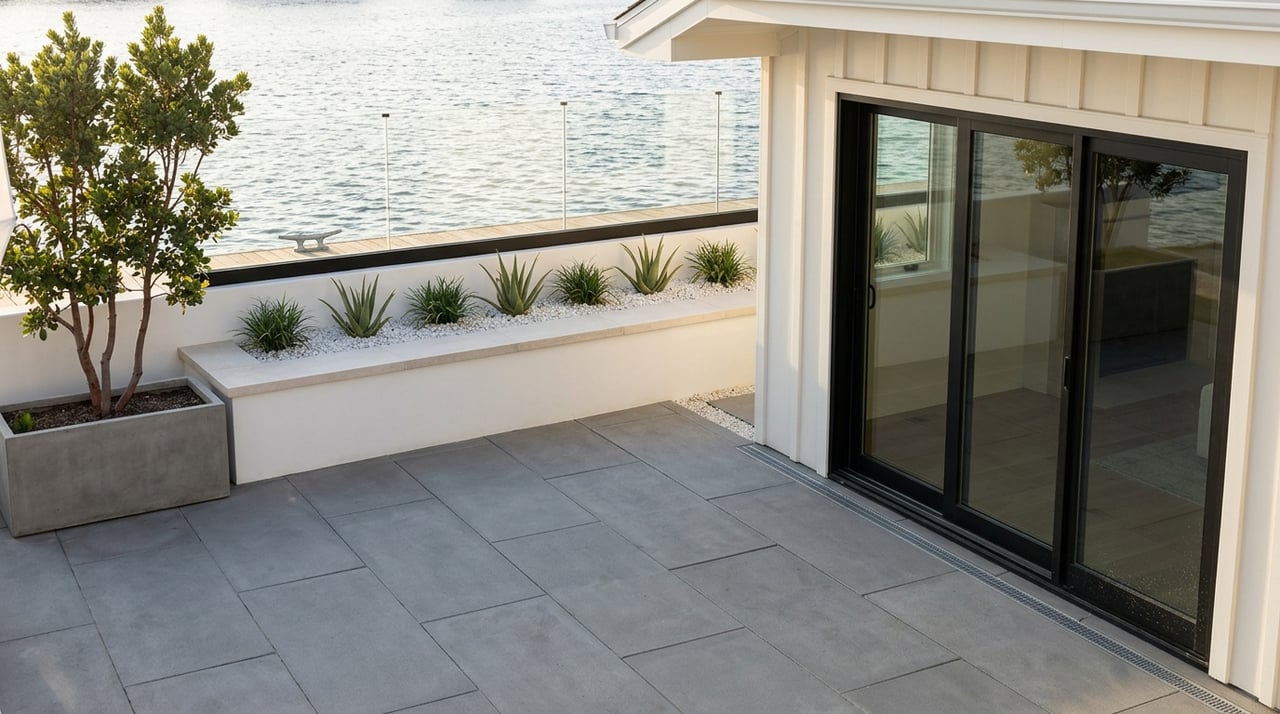
Picture this: you step onto your balcony with coffee in hand and watch boats slip out past the breakwater. If living close to the water and the marina is your dream, Dana Point Harbor delivers a daily rhythm that blends boating, dining and walkable coastal charm. In this guide, you’ll learn how harbor life really works, which neighborhoods fit different lifestyles, what homes cost today, and the key checks to make before you buy or sell. Let’s dive in.
Dana Point Harbor at a glance
Dana Point Harbor is the city’s waterfront hub with Harbor Village shopping and dining, active marinas, whale‑watching and sportfishing, and the nearby Ocean Institute. You can browse boutiques, grab a meal by the water, then head out for a sunset cruise all in one afternoon. The harbor is also in the middle of a multi‑year revitalization that is updating docks, parking and the commercial core. For current construction phases and public access, review the harbor’s marina revitalization page and County oversight updates through the DPHOAC page.
Boating life and access
Marina slips and services
The marina supports a large boating community with roughly 2,400+ wet slips in operation today. Plans call for a reconfigured marina with about ~2,200 wet slips plus approximately 493 dry‑storage spaces as part of the revitalization. For current slip availability, guest‑dock options and services, check the Dana Point Marina info. If you keep a boat, this is one of the most complete service clusters in Orange County.
Launching trailer boats
Trailerable boats launch at the Embarcadero, which offers 24/7 access and on‑site dry storage. Before you go, review practical rules and fees, including the posted launch ramp location and harbor “no wake” limits. Start with the Embarcadero at Dana Point and the Orange County Sheriff’s Harbor Patrol page for current guidance on safety and launch rules.
Clubs, safety and upkeep
You will find active yacht and sailing clubs, local brokers, and marine service yards around the harbor. Year‑round social events and regattas make it easy to plug into the boating community. Budget for recurring costs like slip rent, insurance, maintenance and fuel, which vary by vessel size and location. Harbor Patrol maintains 24/7 coverage for enforcement and rescue, so you have support on the water when you need it.
Neighborhoods near the harbor
Lantern District
If you want to park the car and walk to dinner, the Lantern District is your most walkable option for harbor access. You will see a mix of condos, townhomes and smaller single‑family cottages, many within a short stroll to Harbor Village. Buyers choose it for lifestyle and convenience. Prices vary by size and view, with listings often in the seven‑figure range.
Capistrano Beach and Doheny area
These beach‑oriented pockets place you close to Doheny State Beach and the bike path, with a range of condos to bluff‑top homes. It is a practical choice if your days include surfing, paddling and quick access to the marina. Expect a wide spread of home values depending on setting, age and views.
Monarch Beach and The Strand
Monarch Beach, Ritz Cove and The Strand at Headlands define Dana Point’s luxury tier near the harbor. Properties in these gated and beachfront enclaves often list in the multi‑million range, with some trophy estates trading at the top of the market. Many communities offer private or direct beach pathways and resort‑adjacent amenities.
Gated coastal enclaves
Neighborhoods like Niguel Shores and Capistrano Bluffs combine coastal proximity with amenities such as community pools, private bluff parks and tennis. Associations may have specific parking, guest and rental rules that shape day‑to‑day living. If you value privacy and amenities with quick harbor access, these are solid contenders.
Market snapshot and pricing context
Dana Point’s pricing reflects a coastal, low‑inventory market with a wide range of property types. As of January 2026, Zillow’s ZHVI places the typical home value near $1.65M. Realtor.com snapshots through late 2025 often show median list prices above $2M, reflecting the mix of active luxury listings. ATTOM’s recent sold‑price median landed near $1.7M in early 2025. Each metric answers a different question, so use them together and always note the date and method.
Lifestyle rhythm and events
Harbor Village concentrates waterfront dining, cafes and boutiques, so it is easy to build a relaxed daily routine around the marina. Whale‑watching and sportfishing depart year‑round, with peak winter whale activity and summer fishing drawing locals and visitors. For trip details, check a local operator such as Dana Wharf Sportfishing & Whale Watching. The annual Festival of the Whales in early March is a signature community event, so expect crowds and plan ahead. See an overview and confirm dates via LAist’s seasonal roundup.
Parking and access can change during construction, and weekends run busier in peak seasons. The revitalization will add structured parking, but staging may temporarily shift pedestrian routes. Before big outings, verify current access on the marina revitalization page.
Practical checks before you buy or sell
- Revitalization timing and access. The harbor rebuild is active and phased. Confirm current milestones, marina phases and parking changes on the marina revitalization page and County DPHOAC updates before you rely on a specific opening or closure.
- Flood and coastal risk. Review parcel‑level FEMA flood zones and scenarios for sea level rise and high‑tide flooding. Start with the FEMA Flood Map Service Center and NOAA’s Sea Level Rise Viewer. Ask your insurer and lender about flood insurance requirements.
- Property taxes and assessments. Base Prop 13 tax is about 1 percent of assessed value. Voter‑approved bonds and direct assessments vary by parcel, and buyers typically receive supplemental bills after closing. For county tools and payment details, see the Orange County Treasurer’s property tax portal announcement.
- HOA rules and lifestyle fit. Many harbor‑adjacent condos and gated communities set rules for parking, guest access, boat storage and rentals. Review CC&Rs, HOA minutes and budgets during due diligence so the day‑to‑day experience matches your goals.
- Short‑term rentals. Dana Point’s short‑term rental policies and transient occupancy tax rules are city‑specific and can change. Confirm current rules directly with the City of Dana Point before you plan to host or buy for STR use.
- Commute and airport access. Most residents drive I‑5 or CA‑73 to regional job centers. John Wayne Airport (SNA) is commonly a 25 to 40 minute drive in typical traffic, while LAX and SAN are farther. Traffic varies by season and time of day, so plan buffers.
Get started with trusted local guidance
If harbor living is on your shortlist, a clear strategy helps you move fast when the right home appears. We combine neighborhood intelligence, off‑market access and precise pricing advice to help you secure the best property for your lifestyle, from walkable Lantern District condos to Strand estates. Ready to explore? Connect with the Charlie Price Group to receive exclusive listings and tailored guidance.
FAQs
What is Dana Point Harbor and what can you do there?
- It is the city’s waterfront hub with Harbor Village dining and shopping, marinas, whale‑watching and sportfishing, plus the nearby Ocean Institute, all active year‑round.
How many slips are in Dana Point Marina and how is that changing?
- The harbor operates roughly 2,400+ wet slips today, with a planned reconfiguration to about ~2,200 wet slips and roughly 493 dry‑storage spaces under the revitalization plan.
Where can you launch a trailer boat in Dana Point?
- Use the Embarcadero launch ramp, open 24/7, and review Harbor Patrol guidance for launch fees, “no wake” rules and anchorage limits.
What are typical home prices in Dana Point right now?
- As of Jan 2026, Zillow’s ZHVI shows about $1.65M typical value, Realtor.com often shows median list above $2M, and ATTOM’s early‑2025 median sold price was near $1.7M.
When are the busiest times at the harbor?
- Expect heavier crowds on summer weekends, during winter whale season and around the Festival of the Whales in early March; plan parking and dining ahead.
What should buyers check before closing near the harbor?
- Verify revitalization timing, review FEMA flood zones and HOA rules, confirm property tax assessments, and check city short‑term rental policies to avoid surprises.